p-Toluenesulfonic acid → HCID 178429209, compound
Reaction equation

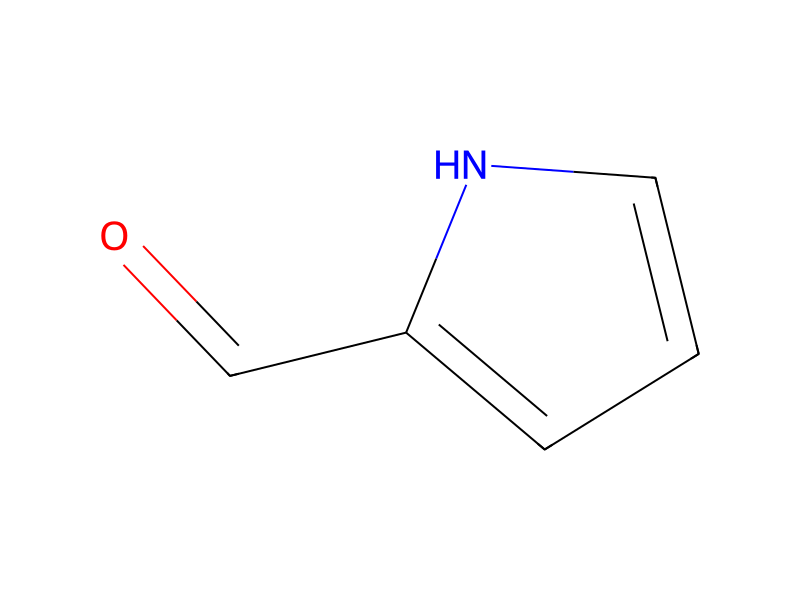
[NH2:1][C:2]1[CH:3]=[C:4]2[C:8](=[CH:9][C:10]=1[NH2:11])[NH:7][C:6](=[O:12])[C:5]2([CH3:14])[CH3:13].[NH:15]1[CH:19]=[CH:18][CH:17]=[C:16]1[CH:20]=O.C1(C)C=CC(S(O)(=O)=O)=CC=1>>[CH3:13][C:5]1([CH3:14])[C:4]2[C:8](=[CH:9][C:10]3[NH:11][C:20]([C:16]4[NH:15][CH:19]=[CH:18][CH:17]=4)=[N:1][C:2]=3[CH:3]=2)[NH:7][C:6]1=[O:12]Participants
4



Procedure
Analogously to Example 2, from 3.8 g. (20 mmol) 5,6-diamino-3,3-dimethylindolin-2-one, 1.9 g. (20 mmol) pyrrole-2-aldehyde and 0.4 g. (2 mmol) p-toluene-sulphonic acid, after acidification and evaporation of the reaction mixture, there is obtained the crude product of the title compound. For purification, the residue is worked up with water and the filtrate is neutralised with 2N aqueous ammonia solution and filtered off with suction. The residue is recrystallised from isopropanol with the addition of ethanolic hydrochloric acid. The yield is 1.2 g. (20% of theory); m.p. of the hydrochloride>300° C.
Sources & evidence
- ORD record
- ord-2849754222e74272a7964d94d901a17f
- Source dataset
- uspto-grants-1987_09
- Patent number
- US04695567
Reaction notes
Loading…