Ammonia → furo(3,4-b)pyridin-5(7H)-one
Reaction equation

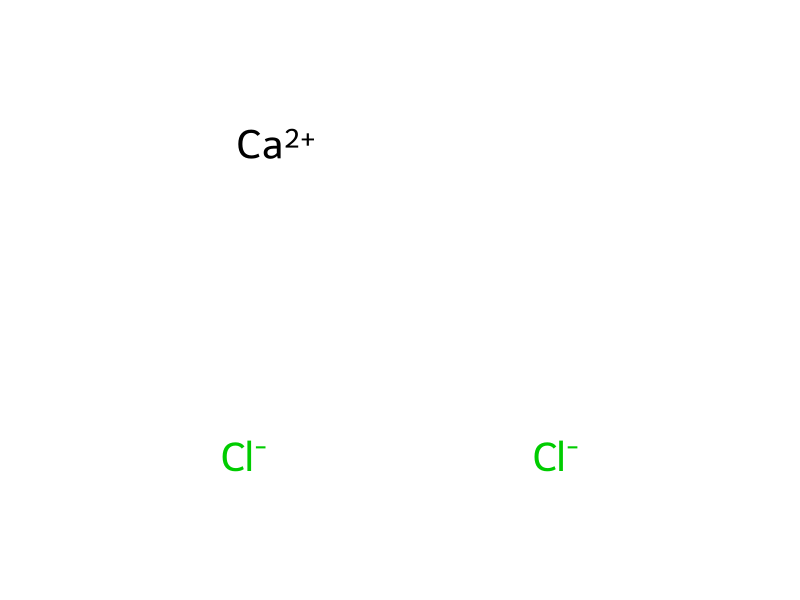
[N:1]1[CH:10]=[CH:9][CH:8]=[C:7]2[C:2]=1[C:3]([O:5][C:6]2=[O:11])=O.N1C2C(=CC=CC=2)C=C1.[Cl-].[Ca+2].[Cl-].[Cl-].[Al+3].[Cl-].[Cl-].C(OC(=O)C)(=O)C.N>C(O)(=O)C.C(#N)C.[Cl-].[Zn+2].[Cl-].[Fe](Cl)Cl.[Co](Cl)Cl.[Cu](Cl)Cl>[C:6]1([C:7]2[C:2](=[N:1][CH:10]=[CH:9][CH:8]=2)[CH2:3][O:5]1)=[O:11]Participants
Reactant 6





Product 1

Reagents, catalysts & solvents 6





Procedure
A particularly advantageous embodiment of the novel process comprises dissolving or suspending quinolinic anhydride in a saturated aliphatic C2 -C4 -monocarboxylic acid, in particular acetic acid, or also in acetonitrile, adding an indole compound of the formula (7a) and stirring the mixture at room temperature in the presence of an inorganic metal salt, in particular a metal halide, of a polyvalent metal or atomic weight 26 to 66, for example zinc chloride, calcium chloride, aluminium chloride, iron chloride, cobalt chloride or copper dichloride, preferably for 2 to 6 hours. The compound of the formula (5a) is then added and, after addition of acetic anhydride, the reaction mixture is heated at 30° to 60° C., preferably for 1 to 3 hours. The pH is then adjusted to 7.5 to 9 for example with an alkali metal hydroxide or aqueous ammonia. The precipitated 4-azaphthalide compound of the formula (1a) is isolated and, if necessary, recrystallised.
Workup
- dissolutionA particularly advantageous embodiment of the novel process comprises dissolving
- temperaturethe reaction mixture is heated at 30° to 60° C., preferably for 1 to 3 hours
Sources & evidence
- ORD record
- ord-8c39cff9d71046afa6a146f4be28ba61
- Source dataset
- uspto-grants-1987_09
- Patent number
- US04695636
Reaction notes
Loading…