3,4-dihydro-2H-pyran → HCID 14537108, compound
Reaction equation

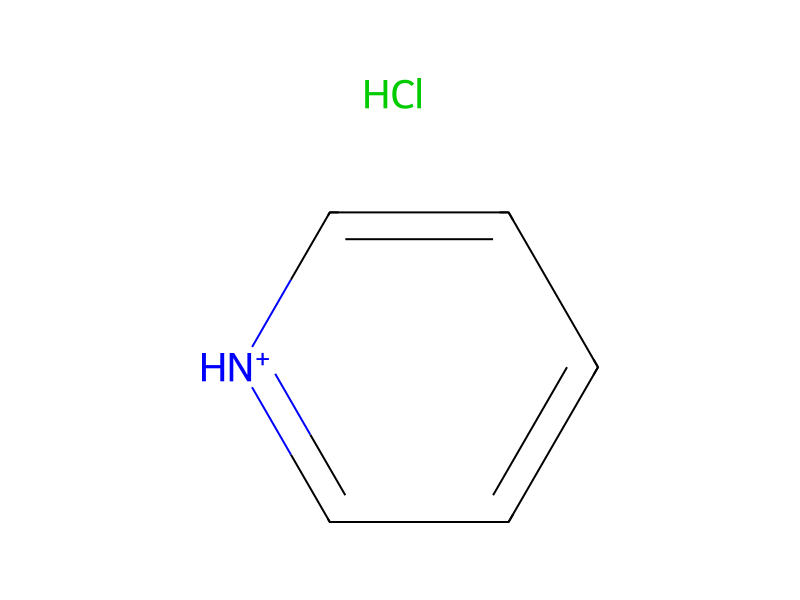
[CH3:1][O:2][C:3]1[C:12]2[C:7](=[CH:8][CH:9]=[CH:10][CH:11]=2)[C:6]([OH:13])=[C:5]([CH2:14][CH:15]=[CH2:16])[CH:4]=1.[O:17]1[CH:22]=[CH:21][CH2:20][CH2:19][CH2:18]1.Cl.[NH+]1C=CC=CC=1.C(=O)(O)[O-].[Na+]>C(Cl)Cl>[CH3:1][O:2][C:3]1[C:12]2[C:7](=[CH:8][CH:9]=[CH:10][CH:11]=2)[C:6]([O:13][CH:18]2[CH2:19][CH2:20][CH2:21][CH2:22][O:17]2)=[C:5]([CH2:14][CH:15]=[CH2:16])[CH:4]=1Participants
6





Procedure
A solution of 4-methoxy-2-(2-propenyl)-1-naphthalenol (0.28 g), dihydropyran (0.60 ml) and pyridinium hydrochloride (32 mg) all in 5 ml of methylene chloride is stirred under a nitrogen atmosphere for 16 hrs at which time TLC analysis indicates the reaction is complete. The solution is poured into 25 ml of saturated aqueous sodium bicarbonate and extracted with ether. The organic phase is washed two times with brine, dried with magnesium sulfate, filtered and concentrated to give 0.42 g of crude product as a yellow oil.
Workup
- extractionextracted with ether
- washThe organic phase is washed two times with brine
- dry with materialdried with magnesium sulfate
- filtrationfiltered
- concentrationconcentrated
Sources & evidence
- ORD record
- ord-cd6cbe9207b94d4593377c5346ff5e64
- Source dataset
- uspto-grants-1989_07
- Patent number
- US04851586
Reaction notes
Loading…