Ethyl 2-chloroacetoacetate → 3-(Cyclopropylamino)-5-methyl-1H-pyrazole-4-carboxylic acid, ethyl ester hydrochloride
Reaction equation

[CH:1]1([NH:4][C:5](=S)[NH:6][NH2:7])[CH2:3][CH2:2]1.[Cl:9][CH:10]([C:16]([CH3:18])=O)[C:11]([O:13][CH2:14][CH3:15])=[O:12]>Cl>[ClH:9].[CH:1]1([NH:4][C:5]2[C:10]([C:11]([O:13][CH2:14][CH3:15])=[O:12])=[C:16]([CH3:18])[NH:7][N:6]=2)[CH2:3][CH2:2]1Participants
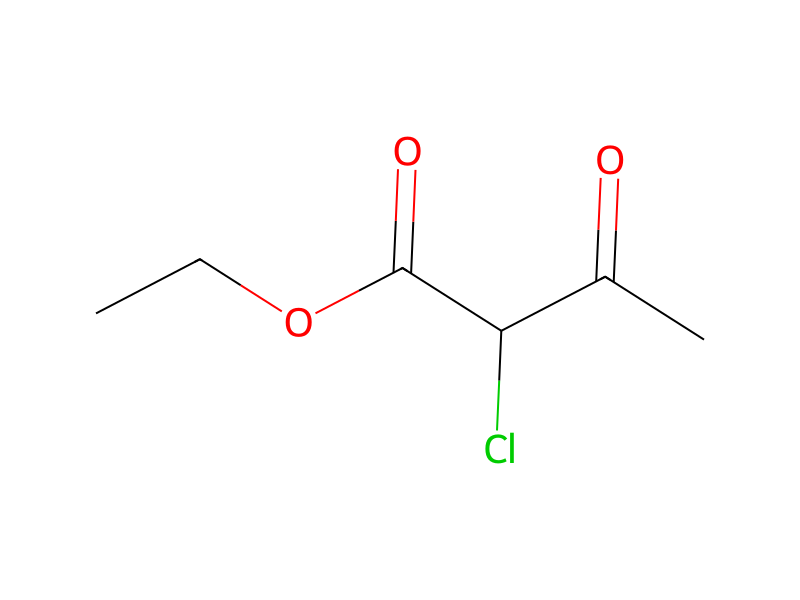



Procedure
A stirred slurry of 10.4 g (0.079 mole) of 4-cyclopropyl-3-thiosemicarbazide under nitrogen atmosphere was treated with 13 g (0.079 mole) of ethyl 2-chloroacetoacetate, stirred at ambient temperature for 1 hr, treated with 30 mL of 2N ethanolic hydrogen chloride and heated to reflux. The reaction mixture was allowed to cool to ambient temperature while stirring for ~72 hr. The sulfur residue was removed by filtration and the filtrate concentrated in vacuo to an orange oil which solidified. Recrystallization twice from acetone gave 7.4 g of large blade-like crystals, after drying for 2 hr at 98° C. under reduced pressure, mp 147°-148.5° C. The filtrates gave an additional 6 g of crude product. The 2 solids were combined ad recrystallized from methyl ethyl ketone to give 6.3 g of white crystalline power, mp 151°-152° C.
Workup
- temperatureheated to reflux
- temperatureto cool to ambient temperature
- stirringwhile stirring for ~72 hr
- customThe sulfur residue was removed by filtration
- concentrationthe filtrate concentrated in vacuo to an orange oil which
- customRecrystallization twice from acetone
- customgave 7.4 g of large blade-like crystals
- customafter drying for 2 hr at 98° C. under reduced pressure, mp 147°-148.5° C
Sources & evidence
- ORD record
- ord-be9ad077f6654d0c8da7bef8b41951ba
- Source dataset
- uspto-grants-1989_10
- Patent number
- US04871737
Reaction notes
Loading…