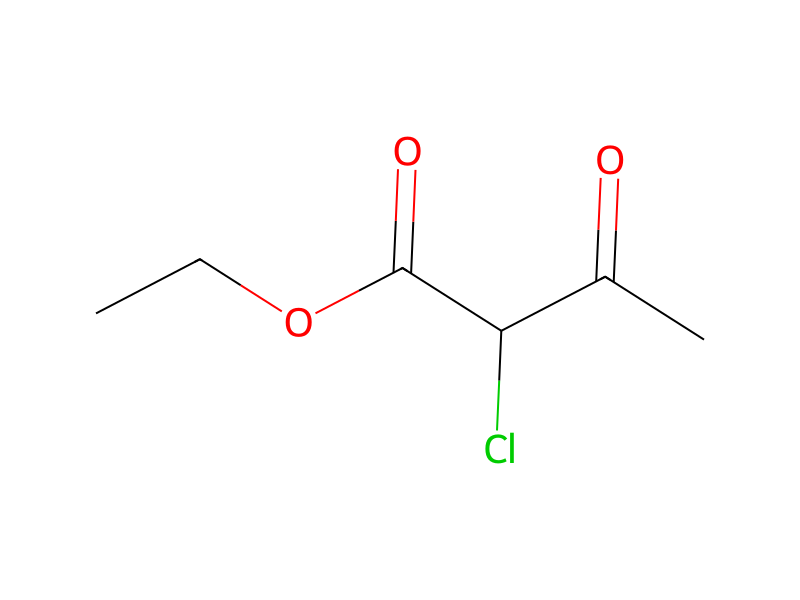
Ethyl 2-chloroacetoacetate → HCID 131716144, compound
Reaction equation

[N:1]1([CH2:7][CH2:8][NH:9][C:10](=S)[NH:11][NH2:12])[CH2:6][CH2:5][CH2:4][CH2:3][CH2:2]1.[Cl:14][CH:15]([C:21]([CH3:23])=O)[C:16]([O:18][CH2:19][CH3:20])=[O:17]>Cl.C(O)C>[ClH:14].[CH2:19]([O:18][C:16]([C:15]1[C:10]([NH:9][CH2:8][CH2:7][N:1]2[CH2:6][CH2:5][CH2:4][CH2:3][CH2:2]2)=[N:11][NH:12][C:21]=1[CH3:23])=[O:17])[CH3:20]Participants
Reactant 2

Product 1

Reagents, catalysts & solvents 2


Procedure
A stirred solution of 6 g (0.03 mole) of 4-(2-piperidinoethyl)-3-thiosemicarbazide in 30 mL of 2N ethanolic hydrogen chloride was diluted to 60 mL with absolute ethanol, treated with 4.9 g (0.03 mole) of ethyl 2-chloroacetoacetate, stirred at ambient temperature for 3 hr, and heated at reflux for 2 hr. The reaction mixture was filtered hot to remove amorphous sulfur and the filtrate concentrated to an orange oil. Trituration with refluxing 2-propyl ether and cooling gave a plastic mass with crystals. The 2-propyl ether was decanted and the residual material recrystallized from 2-propyl alcohol/2-propyl ether to give 8 g of crude product. A second recrystallization from 2-propyl alcohol/2-propyl ether gave 5.3 g of beige crystalline product, mp 198°-200° C. as the dihydrochloride salt.
Workup
- temperatureheated
- temperatureat reflux for 2 hr
- filtrationThe reaction mixture was filtered hot
- customto remove amorphous sulfur
- concentrationthe filtrate concentrated to an orange oil
- temperatureTrituration with refluxing 2-propyl ether and cooling
- customgave a plastic mass with crystals
- customThe 2-propyl ether was decanted
- customthe residual material recrystallized from 2-propyl alcohol/2-propyl ether
- customto give 8 g of crude product
- customA second recrystallization from 2-propyl alcohol/2-propyl ether
Sources & evidence
- ORD record
- ord-ddb1f1ab06614ebfa524bc240a84fa6b
- Source dataset
- uspto-grants-1989_10
- Patent number
- US04871737
Reaction notes
Loading…