1,4-Dichlorobutane → Methyl acetoacetate
Reaction equation

[N:1]1C=[C:5]([C:7]([O:9]C)=[O:8])[CH:4]=[C:3]([C:11]([O:13][CH3:14])=[O:12])C=1.[N+:15]([C:18]1[CH:25]=[C:22]([CH:23]=[O:24])[C:21]([OH:26])=[CH:20][CH:19]=1)([O-:17])=[O:16].C(=O)([O-])[O-:28].[K+].[K+].[Cl:33][CH2:34][CH2:35][CH2:36][CH2:37]Cl>C(O)C>[Cl:33][CH2:34][CH2:35][CH2:36][CH2:37][O:26][C:21]1[CH:20]=[CH:19][C:18]([N+:15]([O-:17])=[O:16])=[CH:25][C:22]=1[CH:23]=[O:24].[C:11]([O:13][CH3:14])(=[O:12])[CH2:3][C:4]([CH3:5])=[O:28].[C:7]([O-:9])(=[O:8])[CH3:5].[NH4+:1]Participants
8
Reactant 4


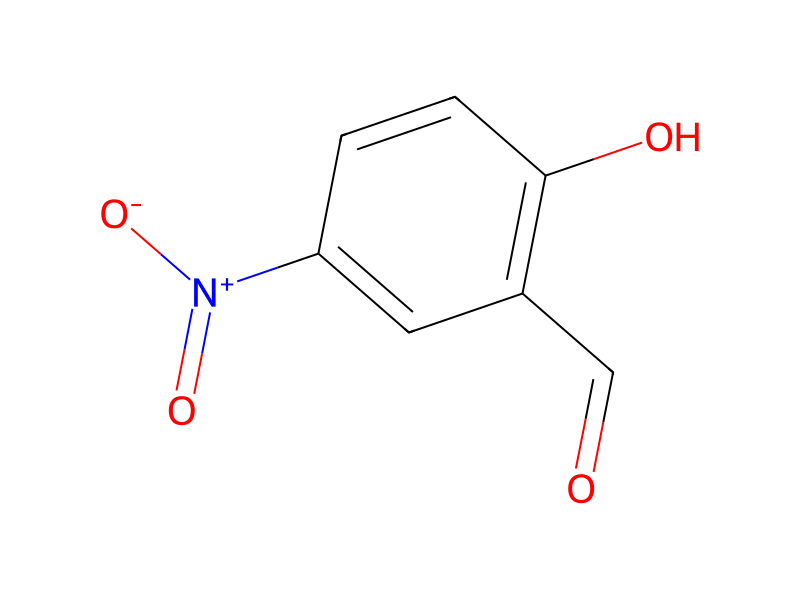

Product 3
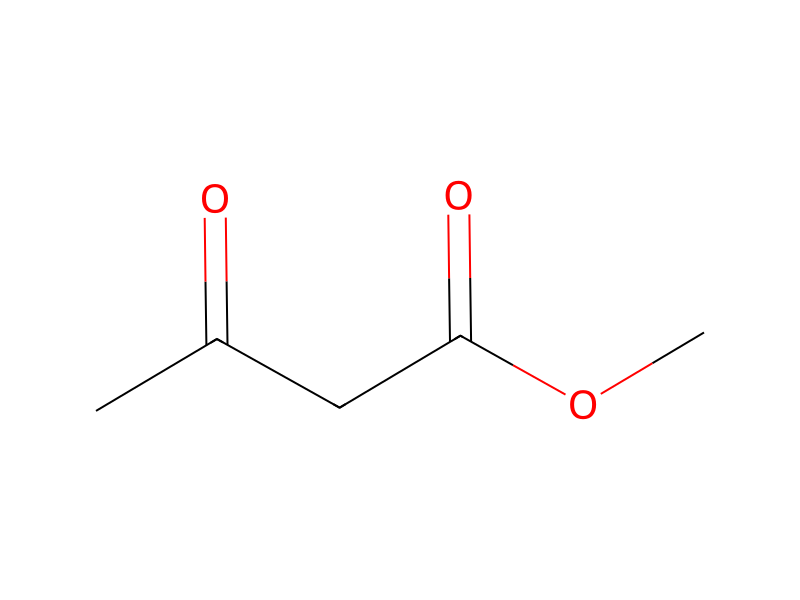


Reagents, catalysts & solvents 1

Procedure
The dimethyl pyridine-3,5-dicarboxylate (m.p. 204°-206° C.) used as starting material was obtained by a similar process to that described in the second part of Example 3, using 5-nitrosalicylaldehyde (16.7 g.), potassium carbonate (13.8 g.), 1,4-dichlorobutane (25.4 g.) and diemthylformamide (300 ml.) as initial starting materials, and the 2-(4-chlorobutoxy)-5-nitrobenzaldehyde thus obtained (3.0 g., m.p. 51°-52° C.), methyl acetoacetate (2.7 g.), ammonium acetate (1.0 g.) and ethanol (30 ml.) as reactants in the subsequent reaction (the ammonium acetate and part of the methyl acetoacetate being equivalent to methyl 3-aminocrotonate).
Workup
- customwas obtained by a similar process to that
Sources & evidence
- ORD record
- ord-66f3a54dea9440aba38ed54601f61304
- Source dataset
- uspto-grants-1989_10
- Patent number
- US04873254
Reaction notes
Loading…