Hydrogen Bromide → HCID 15020497, compound
Reaction equation

Cl.O[CH:3]([CH2:17][OH:18])[CH2:4][O:5][C:6]1[N:7]=[N:8][C:9]([NH:12][N:13]=[C:14]([CH3:16])[CH3:15])=[CH:10][CH:11]=1.Br>C(O)(=O)C.C(OC(C)C)(C)C>[O:18]1[CH2:17][CH:3]1[CH2:4][O:5][C:6]1[N:7]=[N:8][C:9]([NH:12][N:13]=[C:14]([CH3:15])[CH3:16])=[CH:10][CH:11]=1Participants
Reactant 2


Product 1

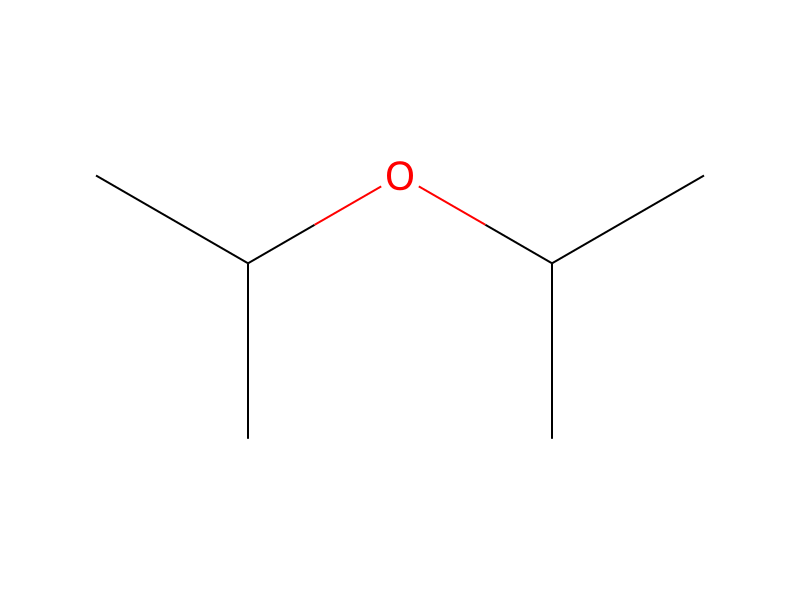
Reagents, catalysts & solvents 2

Procedure
A mixture of 3-(2,3-dihydroxypropoxy)-6-isopropylidenehydrazinopyridazine hydrochloride (34.7 g), acetic acid (50 ml) and 33% hydrogen bromide in acetic acid (143 ml) was stirred at room temperature for 2 hours, and diluted with diisopropyl ether (1.5 liter). After 30 minutes the precipitate was collected, protecting it from moisture with dry nitrogen, and dried under vacuum at room temperature. The solid was dissolved with methanol (600 ml) and heated at reflux for 2 hours. After stirring at room temperature for 15 hours, the solvent was removed under vacuum and the residue was diluted with acetone and evaporated again to dryness. To the residue were added dichloromethane (400 ml), cetyltrimethylammonium bromide (3.4 g) and, with vigorous stirring and keeping the internal temperature under 10° C., 2N sodium hydroxide (100 ml). Stirring was continued at room temperature for 90 minutes, then the phases were separated and the organic layer was washed with water (2×200 ml), then with a saturated solution of ammonium sulfate (135 ml). The organic solution was dried over MgSO4, evaporated under vacuum and the residue was triturated with diisopropyl ether (200 ml) to yield 20 g of the title compound as a pale yellow solid, m.p. 106°-109° C. (with decomposition).
Workup
- customAfter 30 minutes the precipitate was collected
- customdried under vacuum at room temperature
- dissolutionThe solid was dissolved with methanol (600 ml)
- temperatureheated
- temperatureat reflux for 2 hours
- stirringAfter stirring at room temperature for 15 hours
- customthe solvent was removed under vacuum
- additionthe residue was diluted with acetone
- customevaporated again to dryness
- additionTo the residue were added dichloromethane (400 ml), cetyltrimethylammonium bromide (3.4 g)
- stirringwith vigorous stirring
- customunder 10° C.
- stirringStirring
- waitwas continued at room temperature for 90 minutes
- customthe phases were separated
- washthe organic layer was washed with water (2×200 ml)
- dry with materialThe organic solution was dried over MgSO4
- customevaporated under vacuum
- customthe residue was triturated with diisopropyl ether (200 ml)
Sources & evidence
- ORD record
- ord-eb28725480914e359888d0108b33c380
- Source dataset
- uspto-grants-1989_10
- Patent number
- US04873328
Reaction notes
Loading…