Potassium Carbonate → HCID 14720290, compound
Reaction equation

[Cl:1][C:2]1[CH:7]=[CH:6][C:5]([NH:8][CH2:9][C:10]2[CH:11]=[N:12][CH:13]=[CH:14][CH:15]=2)=[CH:4][CH:3]=1.C(=O)([O-])[O-].[K+].[K+].[CH2:22]([S:24](Cl)(=[O:26])=[O:25])[CH3:23]>ClCCl>[Cl:1][C:2]1[CH:3]=[CH:4][C:5]([N:8]([CH2:9][C:10]2[CH:11]=[N:12][CH:13]=[CH:14][CH:15]=2)[S:24]([CH2:22][CH3:23])(=[O:26])=[O:25])=[CH:6][CH:7]=1Participants
5
Reactant 3

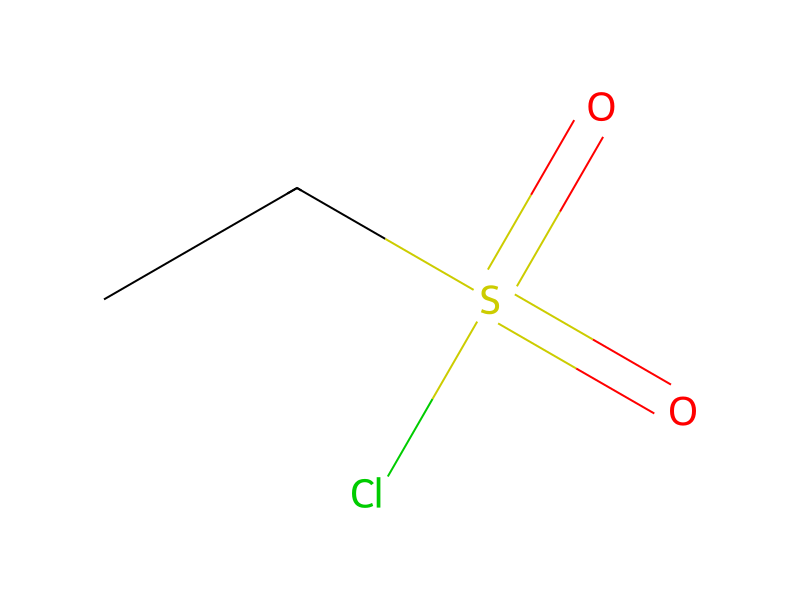

Product 1

Reagents, catalysts & solvents 1

Procedure
A 4.37 g. portion of 3-(4-chlorophenylaminomethyl)pyridine was dissolved in 20 ml. of dichloromethane, and 4.1 g. of potassium carbonate and 3.8 g. of ethanesulfonyl chloride were added. The mixture was stirred under gentle reflux overnight, and was then allowed to stand for several days at ambient temperature. The mixture was extracted with water, dried over magnesium sulfate and filtered. The residue was taken up in chloroform and purified over silica gel, eluting with chloroform. The product-containing fractions were collected and evaporated under vacuum to obtain 1 g. of the desired product, m.p. 104°-106°.
Workup
- temperatureunder gentle reflux overnight
- waitto stand for several days at ambient temperature
- extractionThe mixture was extracted with water
- dry with materialdried over magnesium sulfate
- filtrationfiltered
- custompurified over silica gel
- washeluting with chloroform
- customThe product-containing fractions were collected
- customevaporated under vacuum
- customto obtain 1 g
Sources & evidence
- ORD record
- ord-178693faa9c04231adcd7564f9b54ffc
- Source dataset
- uspto-grants-1989_10
- Patent number
- US04874775
Reaction notes
Loading…