Potassium Carbonate → HCID 9885608, compound
Reaction equation

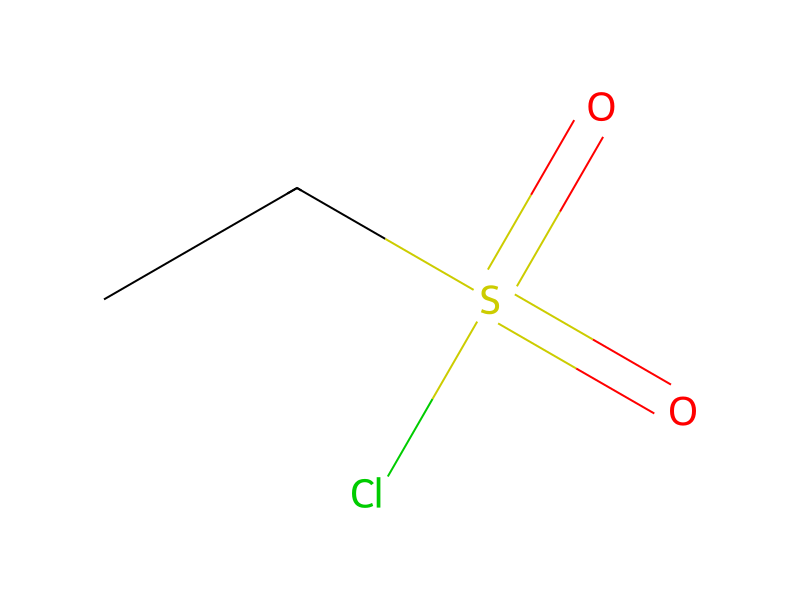
[O:1]([C:8]1[CH:13]=[CH:12][C:11]([NH:14][CH2:15][C:16]2[CH:17]=[N:18][CH:19]=[CH:20][CH:21]=2)=[CH:10][CH:9]=1)[C:2]1[CH:7]=[CH:6][CH:5]=[CH:4][CH:3]=1.C(=O)([O-])[O-].[K+].[K+].[CH2:28]([S:30](Cl)(=[O:32])=[O:31])[CH3:29]>C(#N)C>[O:1]([C:8]1[CH:13]=[CH:12][C:11]([N:14]([CH2:15][C:16]2[CH:17]=[N:18][CH:19]=[CH:20][CH:21]=2)[S:30]([CH2:28][CH3:29])(=[O:32])=[O:31])=[CH:10][CH:9]=1)[C:2]1[CH:7]=[CH:6][CH:5]=[CH:4][CH:3]=1Participants
5
Reactant 3


Product 1

Reagents, catalysts & solvents 1

Procedure
A 2.8 g. portion of 3-(4-phenoxyphenylaminomethyl)pyridine was dissolved in 100 ml. of acetonitrile, and to it were added 2 g. of potassium carbonate and 1.3 g. of ethanesulfonyl chloride. The mixture was stirred at ambient temperature for 2 days, and it was then filtered and concentrated under vacuum. The oily residue was chromatographed on silica gel, eluting with 4.1 toluene:acetone. The product-containing fractions were evaporated under vacuum, and the residue was taken up in diethyl ether. Upon standing, a precipitate formed, which was shown to be 2.0 g. of the desired product, m.p. 79°-80°.
Workup
- filtrationit was then filtered
- concentrationconcentrated under vacuum
- customThe oily residue was chromatographed on silica gel
- washeluting with 4.1 toluene
- customThe product-containing fractions were evaporated under vacuum
- customa precipitate formed
Sources & evidence
- ORD record
- ord-5ab9ad1d62be4734ad945ee72bb87df9
- Source dataset
- uspto-grants-1989_10
- Patent number
- US04874775
Reaction notes
Loading…