Acetone → 4-Methyl-N,N-diprop-2-yn-1-ylbenzenesulfonamide
Reaction equation

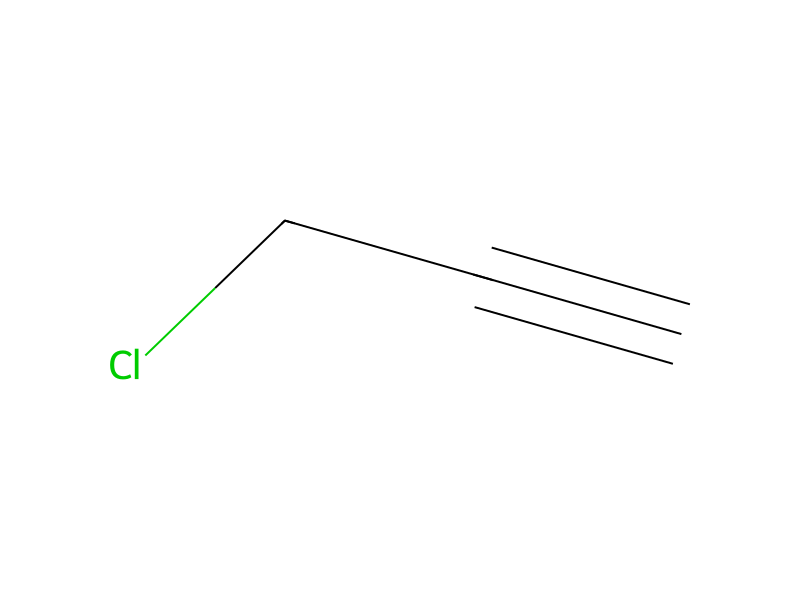
[CH3:1][C:2]1[CH:3]=[CH:4][C:5]([S:8]([NH2:11])(=[O:10])=[O:9])=[CH:6][CH:7]=1.C(=O)([O-])[O-].[K+].[K+].[CH2:18](Cl)[C:19]#[CH:20].[CH3:22][C:23]([CH3:25])=O>CCOCC.[Cl-].[Na+].O>[CH3:1][C:2]1[CH:3]=[CH:4][C:5]([S:8]([N:11]([CH2:25][C:23]#[CH:22])[CH2:18][C:19]#[CH:20])(=[O:10])=[O:9])=[CH:6][CH:7]=1Participants
7






Procedure
To a solution of p-toluenesulfonamide (2.55 g) in acetone (100 mL) were added potassium carbonate (4.44 g) and propargyl chloride (5 g) and the mixture was refluxed overnight. The mixture was cooled, diluted with ether and brine. The organic layer was separated, dried over anhydrous sodium sulfate, filtered and evaporated under reduced pressure. The residue was purified on a Biotage Horizon® system (silica, ethyl acetate gradient 13-25% in hexane) to yield the title compound.
Workup
- temperaturethe mixture was refluxed overnight
- temperatureThe mixture was cooled
- customThe organic layer was separated
- dry with materialdried over anhydrous sodium sulfate
- filtrationfiltered
- customevaporated under reduced pressure
- customThe residue was purified on a Biotage Horizon® system (silica, ethyl acetate gradient 13-25% in hexane)
Sources & evidence
- ORD record
- ord-bcb37cc2fe0b4ee69ffaf8b8a8a05ba4
- Source dataset
- uspto-grants-2010_07
- Patent number
- US07750034B2
Reaction notes
Loading…