Stannous Chloride → HCID 68553235, compound
Reaction equation

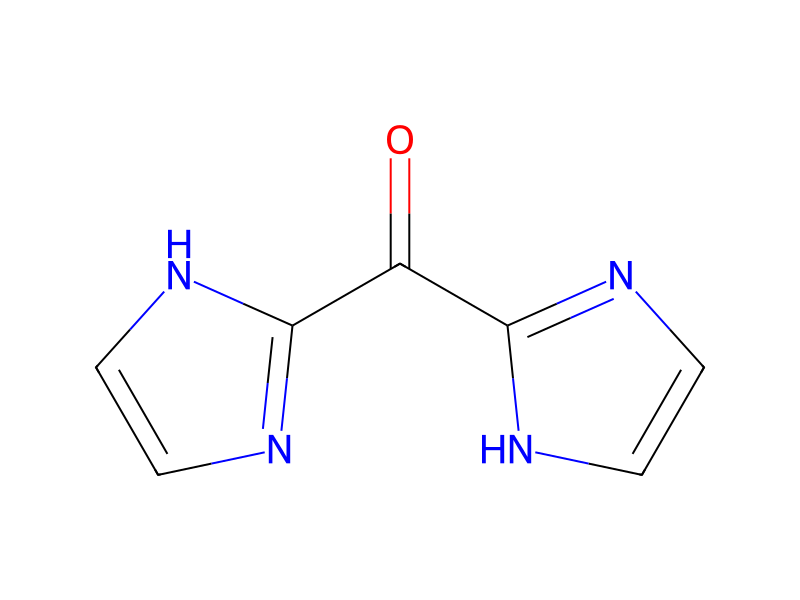
[CH3:1][O:2][C:3]1[CH:4]=[CH:5][C:6]([N+:12]([O-])=O)=[C:7]([CH:11]=1)[C:8](O)=O.[CH3:15][O:16][C:17]1[CH:24]=[CH:23][CH:22]=[CH:21][C:18]=1[CH2:19][NH2:20].C(C1NC=CN=1)([C:27]1[NH:28]C=CN=1)=O.[Sn](Cl)Cl>CN(C)C=O.C(N(CC)CC)C>[CH3:1][O:2][C:3]1[CH:11]=[C:7]2[C:6](=[CH:5][CH:4]=1)[N:12]=[C:27]([NH2:28])[N:20]([CH2:19][C:18]1[CH:21]=[CH:22][CH:23]=[CH:24][C:17]=1[O:16][CH3:15])[CH2:8]2Participants
7






Procedure
6-Methoxy-3-(2-methoxybenzyl)-3,4-dihydroquinazolin-2-amine was synthesized from 5-methoxy-2-nitrobenzoic acid and 2-methoxybenzylamine by analogy with EXAMPLE 89. The peptide coupling was performed with carbonyl diimidazole and triethylamine in dimethylformamide. The nitro group was reduced with tin(II) chloride instead of iron(III) chloride to form the corresponding aniline. Subsequent cyclization to the dihydroquinazoline with cyanogen bromide was performed using a mixture of dichloromethane and ethanol.
Sources & evidence
- ORD record
- ord-a83b2f3ba5e44584b30b1d3fc037a08b
- Source dataset
- uspto-grants-2014_04
- Patent number
- US08686002B2
Reaction notes
Loading…