Acetic Acid → HCID 58081144, compound
Reaction equation

[Br:1][C:2]1[CH:3]=[C:4]2[C:8](=[CH:9][CH:10]=1)[NH:7][CH:6]=[CH:5]2.C([O-])([O-])=O.[K+].[K+].N1CCC[C@H]1C(O)=O.C(O)(=O)C.Br[C:30]1[N:35]=[CH:34][CH:33]=[CH:32][N:31]=1>CS(C)=O.CCOC(C)=O.O.[I+].[Cu+]>[Br:1][C:2]1[CH:3]=[C:4]2[C:8](=[CH:9][CH:10]=1)[N:7]([C:30]1[N:35]=[CH:34][CH:33]=[CH:32][N:31]=1)[CH:6]=[CH:5]2Participants
10
Reactant 5




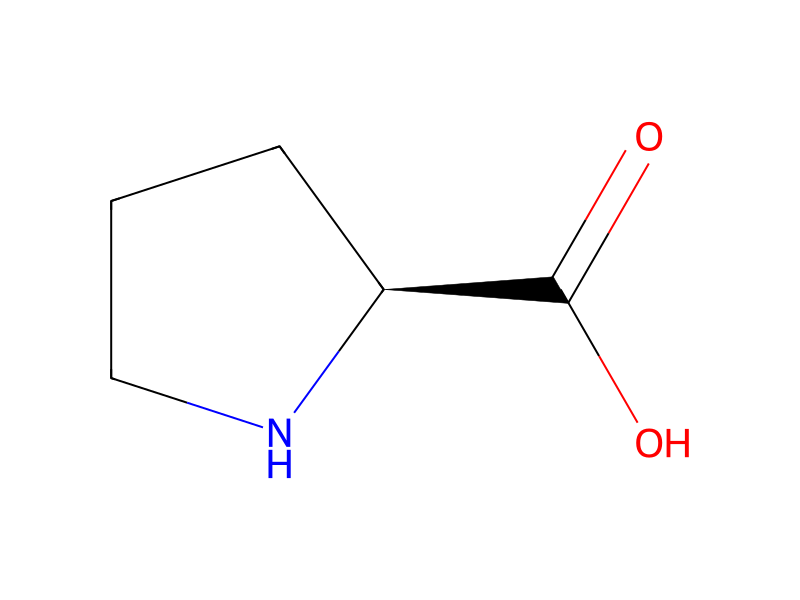
Product 1

Reagents, catalysts & solvents 4




Conditions
- Temperature
- 90 °C
Procedure
A nitrogen stream was bubbled through a mixture of 5-bromoindole (2 g, 10.201 mmol) in DMSO (10 mL). Then, K2CO3 (4.23 g, 30.604 mmol), Copper (I) iodine (0.097 g, 0.51 mmol), L-proline.trifluoric acetic acid (0.234 g, 1.02 mmol) and 2-bromopyrimidine (1.622 g, 10.201 mmol) were added. The resulting reaction mixture was stirred in a sealed tube at 90° C. for 48 h. After cooling to room temperature, the reaction mixture was diluted with EtOAc and water and filtered through diatomaceous earth. The filtrate was evaporated in vacuo. The residue was purified by column chromatography (silica gel; DCM as eluent). The desired fractions were collected and evaporated in vacuo to yield D35 (2.6 g, 92%).
Workup
- customThe resulting reaction mixture
- temperatureAfter cooling to room temperature
- filtrationfiltered through diatomaceous earth
- customThe filtrate was evaporated in vacuo
- customThe residue was purified by column chromatography (silica gel; DCM as eluent)
- customThe desired fractions were collected
- customevaporated in vacuo
Sources & evidence
- ORD record
- ord-430028c4a636403f878ffcbfa7ab8bf9
- Source dataset
- uspto-grants-2014_04
- Patent number
- US08691813B2
Reaction notes
Loading…