Triethylamine → HCID 3828237, compound
Reaction equation

[O:1]1[C:5]2([CH2:10][CH2:9][NH:8][CH2:7][CH2:6]2)[O:4][CH2:3][CH2:2]1.C(N(CC)CC)C.Cl[C:19]([O:21][C:22]1[CH:27]=[CH:26][CH:25]=[CH:24][CH:23]=1)=[O:20]>C(OCC)(=O)C>[O:1]1[C:5]2([CH2:10][CH2:9][N:8]([C:19]([O:21][C:22]3[CH:27]=[CH:26][CH:25]=[CH:24][CH:23]=3)=[O:20])[CH2:7][CH2:6]2)[O:4][CH2:3][CH2:2]1Participants
5
Reactant 3

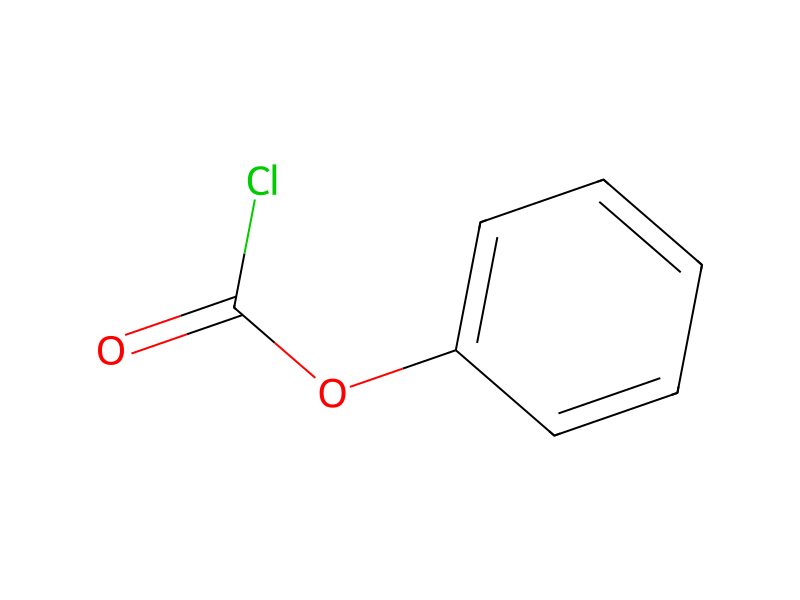

Product 1

Reagents, catalysts & solvents 1

Procedure
To a stirred solution of 1,4-dioxa-8-azaspiro[4.5]decane (2.00 g, 13.9 mmol) and triethylamine (2.90 mL, 20.9 mmol) in ethyl acetate (50 mL) at 0° C. was added phenyl chloroformate (2.10 mL, 13.9 mmol). The mixture was allowed to warm to room temperature overnight. Then, the mixture was filtered to remove triethylamine hydrochloride salts. The filtrate was concentrated, and the obtained residue was chromatographed (silica gel, hexanes to 50:50 hexanes/ethyl acetate) to give the title compound (3.48 g, 95%) as a white solid:
Workup
- filtrationThen, the mixture was filtered
- customto remove triethylamine hydrochloride salts
- concentrationThe filtrate was concentrated
- customthe obtained residue was chromatographed (silica gel, hexanes to 50:50 hexanes/ethyl acetate)
Sources & evidence
- ORD record
- ord-271cecbefb5a4605ab851763c0f9ba20
- Source dataset
- uspto-grants-2014_04
- Patent number
- US08691828B2
Reaction notes
Loading…