Hydrochloric Acid → N-(Butylcarbamoyl)-4-nitrothiophene-2-sulfonamide
Reaction equation

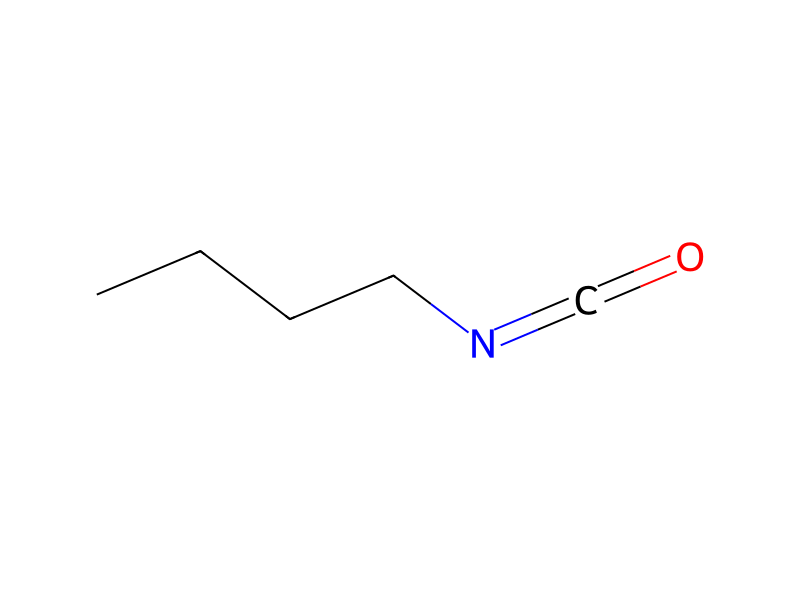
[N+:1]([C:4]1[CH:5]=[C:6]([S:9]([NH2:12])(=[O:11])=[O:10])[S:7][CH:8]=1)([O-:3])=[O:2].[CH2:13]([N:17]=[C:18]=[O:19])[CH2:14][CH2:15][CH3:16].C(=O)([O-])[O-].[K+].[K+].Cl>CC(C)=O>[CH2:13]([NH:17][C:18]([NH:12][S:9]([C:6]1[S:7][CH:8]=[C:4]([N+:1]([O-:3])=[O:2])[CH:5]=1)(=[O:10])=[O:11])=[O:19])[CH2:14][CH2:15][CH3:16]Participants
6





Procedure
A stirred suspension of 10 g of 4-nitrothiophene-2-sulfonamide, 6 g of n-butyl isocyanate and 7 g of anhydrous potassium carbonate in 100 ml of acetone was heated to reflux for 3 hours. The resultant viscous mixture was poured into ice-water and the pH adjusted to 2 by the addition of concentrated hydrochloric acid. The resulting tarry precipitate thus obtained was extracted into methylene chloride, separated from the aqueous phase, dried over magnesium sulfate, filtered and concentrated in-vacuo. The residue which showed absorption peaks by NMR at 0.7 to 1.7 (multiplet), consistent for butyl and at 8.3 and 8.5, consistent for the thiophene ring was used without further purification in the following example.
Workup
- temperaturewas heated
- temperatureto reflux for 3 hours
- customThe resulting tarry precipitate thus obtained
- extractionwas extracted into methylene chloride
- customseparated from the aqueous phase
- dry with materialdried over magnesium sulfate
- filtrationfiltered
- concentrationconcentrated in-vacuo
- customabsorption peaks by NMR at 0.7 to 1.7 (multiplet)
Sources & evidence
- ORD record
- ord-f3d0107aab53459391b983eaefcbe252
- Source dataset
- uspto-grants-1987_02
- Patent number
- US04645529
Reaction notes
Loading…