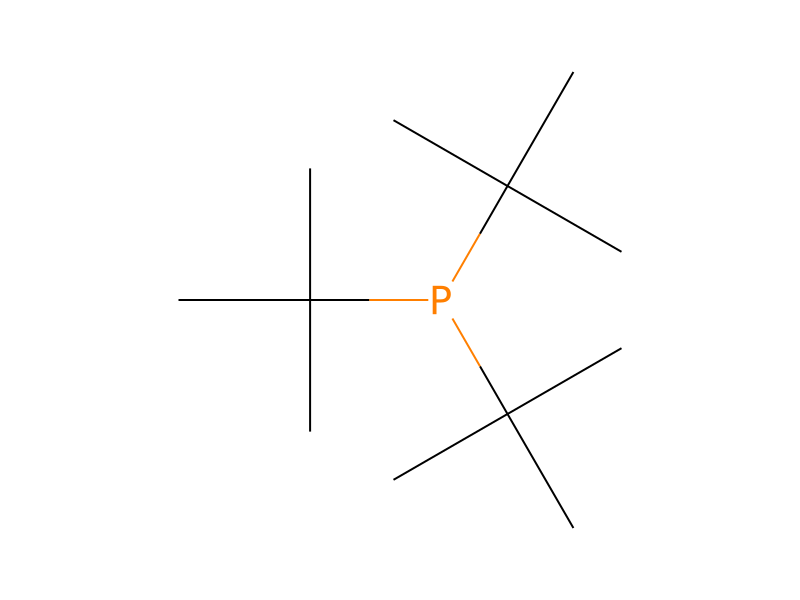
Tris(1,1-dimethylethyl)phosphine → N-Phenyl-2-{4-[3-(dibenzothiophen-4-yl)-9H-carbazol-9-yl]phenyl}benzimidazole
Reaction equation

[C:1]1([N:7]2[C:11]3[CH:12]=[CH:13][CH:14]=[CH:15][C:10]=3[N:9]=[C:8]2[C:16]2[CH:21]=[CH:20][C:19](Br)=[CH:18][CH:17]=2)[CH:6]=[CH:5][CH:4]=[CH:3][CH:2]=1.[CH:23]1[C:31]2[C:30]3[CH:32]=[CH:33][CH:34]=[CH:35][C:29]=3[S:28][C:27]=2[C:26]([C:36]2[CH:37]=[CH:38][C:39]3[NH:40][C:41]4[C:46]([C:47]=3[CH:48]=2)=[CH:45][CH:44]=[CH:43][CH:42]=4)=[CH:25][CH:24]=1.C(P(C(C)(C)C)C(C)(C)C)(C)(C)C.CC(C)([O-])C.[Na+]>C1(C)C=CC=CC=1.C1C=CC(/C=C/C(/C=C/C2C=CC=CC=2)=O)=CC=1.C1C=CC(/C=C/C(/C=C/C2C=CC=CC=2)=O)=CC=1.[Pd].CCCCCC>[C:1]1([N:7]2[C:11]3[CH:12]=[CH:13][CH:14]=[CH:15][C:10]=3[N:9]=[C:8]2[C:16]2[CH:21]=[CH:20][C:19]([N:40]3[C:39]4[CH:38]=[CH:37][C:36]([C:26]5[C:27]6[S:28][C:29]7[CH:35]=[CH:34][CH:33]=[CH:32][C:30]=7[C:31]=6[CH:23]=[CH:24][CH:25]=5)=[CH:48][C:47]=4[C:46]4[C:41]3=[CH:42][CH:43]=[CH:44][CH:45]=4)=[CH:18][CH:17]=2)[CH:6]=[CH:5][CH:4]=[CH:3][CH:2]=1Participants
Reactant 4



Product 1

Reagents, catalysts & solvents 3


Conditions
- Temperature
- 80 °C
Procedure
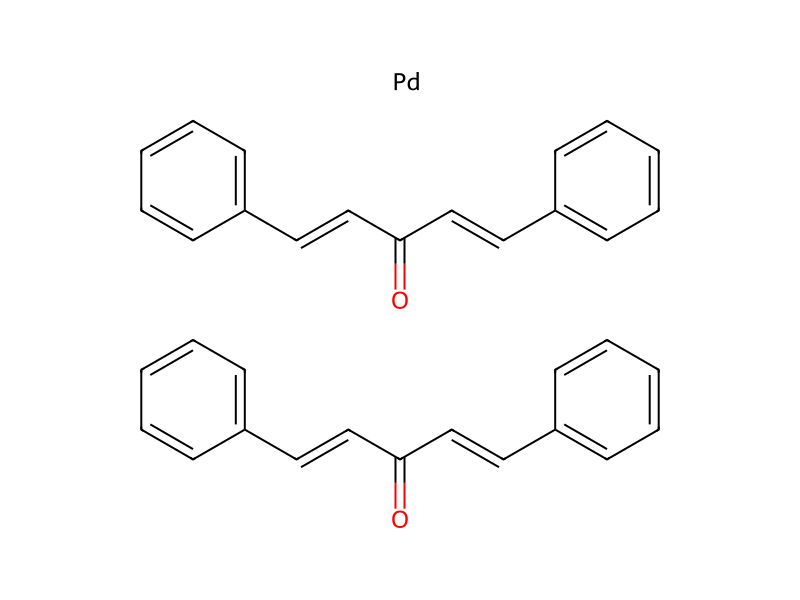
Into a 100 mL three-neck flask were placed 0.36 g (1.0 mmol) of N-phenyl-2-(4-bromophenyl)benzimidazole and 0.36 g (1.0 mmol) of 3-(dibenzothiophen-4-yl)-9H-carbazole, and the air in the flask was replaced with nitrogen. To this mixture were added 10 mL of toluene, 0.10 mL of tri(tert-butyl)phosphine (a 10 wt % hexane solution), and 0.15 g (4.3 mmol) of sodium tert-butoxide. This mixture was degassed while being stirred under reduced pressure. After this mixture was heated to 80° C., 5.0 mg (0.025 mmol) of bis(dibenzylideneacetone)palladium(0) was added thereto, and then the mixture was stirred at 80° C. for 3 hours. After the stirring, 14 mg (0.025 mmol) of bis(dibenzylideneacetone)palladium(0) was added to this mixture, and then it was further stirred at 110° C. for 7.5 hours. After the stirring, about 30 mL of toluene was added to the mixture, and then it was stirred at 80° C. This mixture was subjected to hot filtration with ethyl acetate through Celite (produced by Wako Pure Chemical Industries, Ltd., Catalog No. 531-16855), Florisil (produced by Wako Pure Chemical Industries, Ltd., Catalog No. 540-00135), and alumina. The obtained filtrate was concentrated to give a white solid. The obtained solid was dissolved in toluene. The mixture was purified by silica gel column chromatography (a developing solvent in which the ratio of hexane to ethyl acetate was 4:1), and further recrystallized from toluene/hexane, so that 0.41 g of a white solid was obtained in 65% yield. The synthesis scheme of Step 2 is illustrated in the formula (b-1).
Workup
- customInto a 100 mL three-neck flask were placed
- customThis mixture was degassed
- stirringthe mixture was stirred at 80° C. for 3 hours
- stirringit was further stirred at 110° C. for 7.5 hours
- stirringit was stirred at 80° C
- filtrationThis mixture was subjected to hot filtration with ethyl acetate through Celite (produced by Wako Pure Chemical Industries, Ltd., Catalog No. 531-16855), Florisil (produced by Wako Pure Chemical Industries, Ltd., Catalog No. 540-00135), and alumina
- concentrationThe obtained filtrate was concentrated
- customto give a white solid
- customThe mixture was purified by silica gel column chromatography (a developing solvent in which the ratio of hexane to ethyl acetate
- customfurther recrystallized from toluene/hexane, so that 0.41 g of a white solid
- customwas obtained in 65% yield
- customThe synthesis scheme of Step 2
Sources & evidence
- ORD record
- ord-796a375ff0b14a83af0cf810dfe2b33a
- Source dataset
- uspto-grants-2014_04
- Patent number
- US08697885B2
Reaction notes
Loading…