Benzene → N-Butyl-N-(5-methyl-1,3,4-thiadiazol-2-yl)cyclopropanecarboxamide
Reaction equation

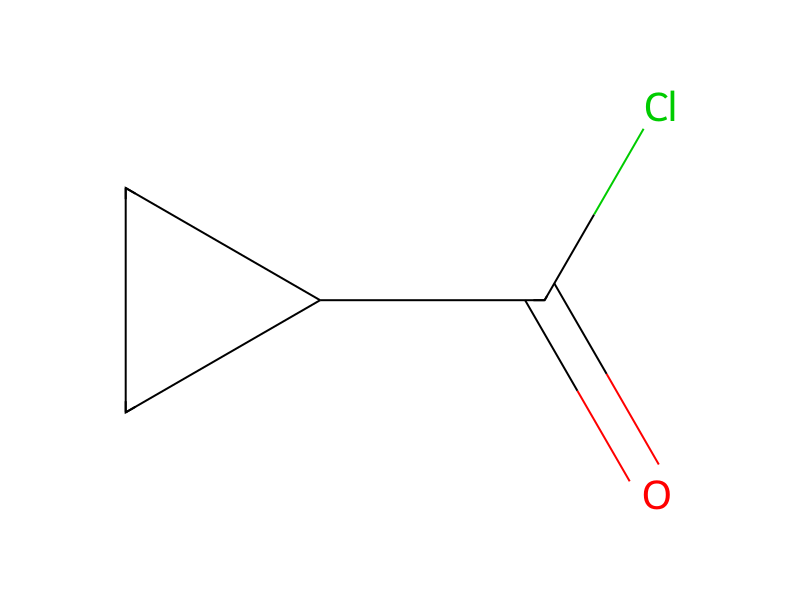
C[C:2]1[S:6][C:5]([CH2:7]CCCN)=[N:4][N:3]=1.C([N:14]([CH2:17][CH3:18])CC)C.[CH:19]1([C:22](Cl)=[O:23])[CH2:21][CH2:20]1.[CH:25]1C=CC=C[CH:26]=1>>[CH2:17]([N:14]([C:2]1[S:6][C:5]([CH3:7])=[N:4][N:3]=1)[C:22]([CH:19]1[CH2:21][CH2:20]1)=[O:23])[CH2:18][CH2:25][CH3:26]Participants
5




Procedure
N-(5-methyl-1,3,4-thiadiazol-2-yl)butylamine (1.7 g, 0.01 mole) in benzene (20 ml) was treated with triethylamine (1.53 ml) and cyclopropane carboxylic acid chloride (1.15 g). The reaction mixture was heated to reflux for 20 hours. The solution was then evaporated to dryness and the residue treated with ether and filtered. The solution was washed with water, dried and charcoaled, filtered and evaporated and the residue recrystallised from petrol ether (40°-60° C.) to give N-butyl-N-(5-methyl-1,3,4-thiadiazol-2-yl)cyclopropane carboxamide as a white crystalline solid. m.p. 82°-84° C.
Workup
- temperatureThe reaction mixture was heated
- temperatureto reflux for 20 hours
- customThe solution was then evaporated to dryness
- additionthe residue treated with ether
- filtrationfiltered
- washThe solution was washed with water
- customdried
- filtrationfiltered
- customevaporated
- customthe residue recrystallised from petrol ether (40°-60° C.)
Sources & evidence
- ORD record
- ord-dc0c8aa858864768b932f674958f8885
- Source dataset
- uspto-grants-1979_06
- Patent number
- US04158659
Reaction notes
Loading…