Hydrochloric Acid → 5,7-diazaspiro[3.4]octane-6,8-dione
Reaction equation

[C-]#N.[Na+].[C:4](=[O:7])([O-])[O-].[NH4+:8].[NH4+:9].[C:10]1(=O)[CH2:13][CH2:12][CH2:11]1.Cl.[CH2:16]([OH:18])C.O>O.C(O)C>[CH2:11]1[C:10]2([C:16](=[O:18])[NH:9][C:4](=[O:7])[NH:8]2)[CH2:13][CH2:12]1Participants
8




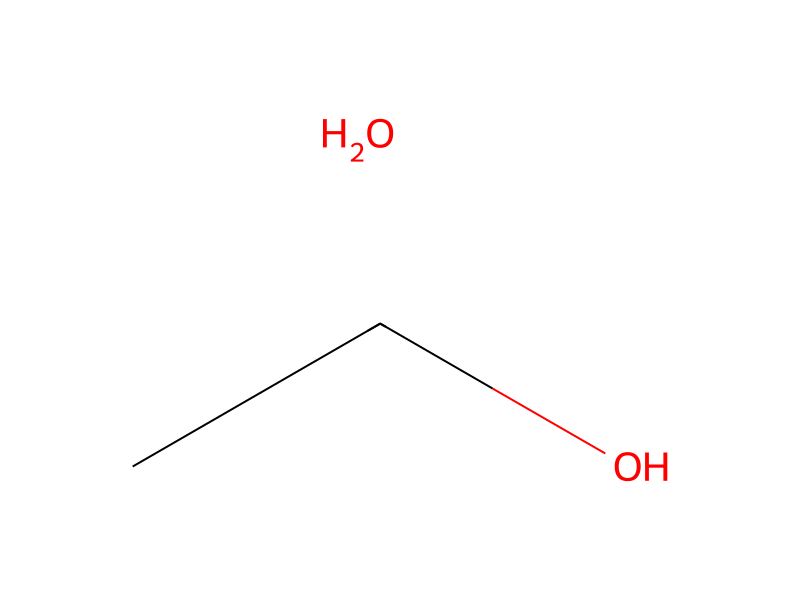



Conditions
- Temperature
- 70 °C
Procedure
Sodium cyanide (1.47 g, 30 mmole) then ammonium carbonate (7.5 g, 78 mmole) are added under argon and at 23° to a solution of cyclobutanone (1.49 ml, 20 mmole) diluted in an ethanol-water solvent mixture (16 ml). The reaction mixture is heated for 6 hours at 70° C. After cooling down the reaction medium, water (15 ml) is poured in, then a solution of concentrated hydrochloric acid (13 ml) is added carefully. After stirring for 10 hours at 23° C. the ethanol and part of the water content of the reaction mixture are evaporated with a rotary evaporator. The precipitate is filtered on frit then washed with water. The expected compound is obtained in the form of a beige powder with a yield of 39% (1.1 g).
Workup
- additionis added carefully
- customare evaporated with a rotary evaporator
- filtrationThe precipitate is filtered on frit
- washthen washed with water
Sources & evidence
- ORD record
- ord-d5e38befd5154571b75d4c1bf43ee6ce
- Source dataset
- uspto-grants-2014_04
- Patent number
- US08710091B2
Reaction notes
Loading…