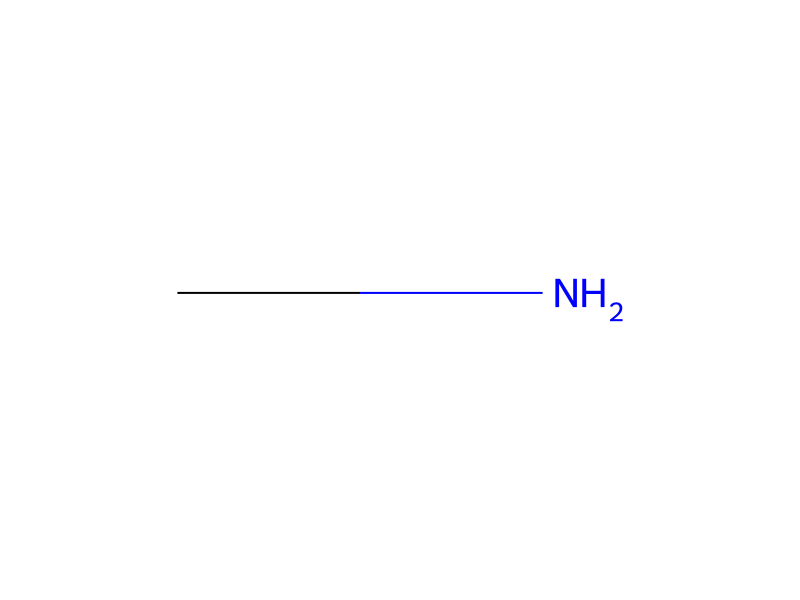
Methylamine → 2-Methyl-1,3-dioxoisoindoline-5-carboxylic acid
Reaction equation

[O:1]=[C:2]1[C:10]2[C:5](=[CH:6][C:7]([C:11]([OH:13])=[O:12])=[CH:8][CH:9]=2)[C:4](=O)[O:3]1.C1COCC1.[CH3:20][NH2:21]>CC(O)=O>[CH3:20][N:21]1[C:4](=[O:3])[C:5]2[C:10](=[CH:9][CH:8]=[C:7]([C:11]([OH:13])=[O:12])[CH:6]=2)[C:2]1=[O:1]Participants
5
Reactant 3


Product 1

Reagents, catalysts & solvents 1

Procedure
To a microwave vial was added 1,3-dioxo-1,3-dihydroisobenzofuran-5-carboxylic acid (200 mg, 1.041 mmol), THF (2 mL) and methylamine (2.0M THF, 2.0 mL). The flask was irradiated in a microwave at 100° C. for 5 min. At this time, AcOH (glacial, 0.4 mL) and an additional portion of methylamine (2.0M THF, 2.0 mL) were added, and the flask was placed in a the microwave at 100° C. for 2 h. The flask was allowed to cool and then azeotropically dried (toluene, 3×5 mL). The flask was placed under a high vacuum for 12 h to provide 2-methyl-1,3-dioxoisoindoline-5-carboxylic acid which was used directly in the amide coupling reaction without further purification.
Workup
- customThe flask was irradiated in a microwave at 100° C. for 5 min
- customat 100° C.
- customfor 2 h
- temperatureto cool
- dry with materialazeotropically dried (toluene, 3×5 mL)
Sources & evidence
- ORD record
- ord-1d5d0cf7186a45669e912daa6362bf57
- Source dataset
- uspto-grants-2014_04
- Patent number
- US08710043B2
Reaction notes
Loading…