Sodium Carbonate → 4'-Chloro[1,1'-biphenyl]-4-carbaldehyde
Reaction equation

[Cl:1][C:2]1[CH:7]=[CH:6][C:5](B(O)O)=[CH:4][CH:3]=1.Br[C:12]1[CH:19]=[CH:18][C:15]([CH:16]=[O:17])=[CH:14][CH:13]=1.C(=O)([O-])[O-].[Na+].[Na+]>C([O-])(=O)C.[Pd+2].C([O-])(=O)C.C(COC)OC>[Cl:1][C:2]1[CH:7]=[CH:6][C:5]([C:12]2[CH:19]=[CH:18][C:15]([CH:16]=[O:17])=[CH:14][CH:13]=2)=[CH:4][CH:3]=1Participants
6





Procedure
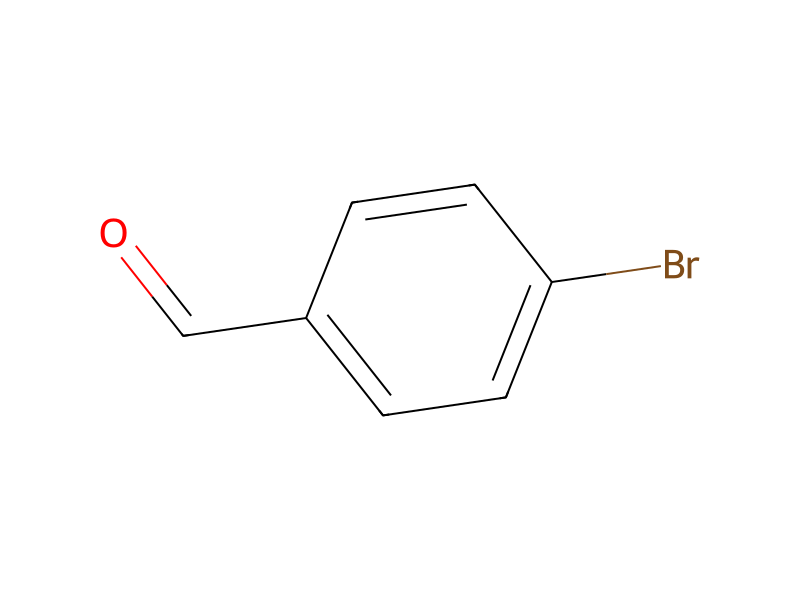
A mixture of 4-chlorobenzeneboronic acid (19.4 g, 1 equiv), 4-bromobenzaldehyde (22.9 g, 1 equiv), palladium(II) acetate (1.4 g, 0.05 equiv), aqueous sodium carbonate (30.3 g in 144 ml solution, 2 equiv) and dimethoxyethane (500 ml) was stirred at reflux under argon for 2.5 h, then evaporated to low volume and diluted with dichloromethane. Workup continued as in (a) above to give identical material (25.2 g, 94%). 1H-NMR (CDCl3) δ 10.05 (1H, s), 7.96 (2H, d), 7.73 (2H, d), 7.57 (2H, d), 7.46 (2H, d); MS (AP+) found (M+1)=217, C13H9ClO requires 216.
Workup
- temperatureat reflux under argon for 2.5 h
- customevaporated to low volume
- additiondiluted with dichloromethane
Sources & evidence
- ORD record
- ord-397a84e24bf2419baeebddea43eabfee
- Source dataset
- uspto-grants-2008_12
- Patent number
- US07462620B2
Reaction notes
Loading…