Benzaldehyde → 4-METHOXYBENZOIN
Reaction equation

[CH:1](=[O:8])[C:2]1[CH:7]=[CH:6][CH:5]=[CH:4][CH:3]=1.[CH3:9][O:10][C:11]1[CH:18]=[CH:17][C:14]([CH:15]=[O:16])=[CH:13][CH:12]=1>>[CH3:9][O:10][C:11]1[CH:18]=[CH:17][C:14]([C:15]([CH:1]([C:2]2[CH:7]=[CH:6][CH:5]=[CH:4][CH:3]=2)[OH:8])=[O:16])=[CH:13][CH:12]=1Participants
Reactant 2

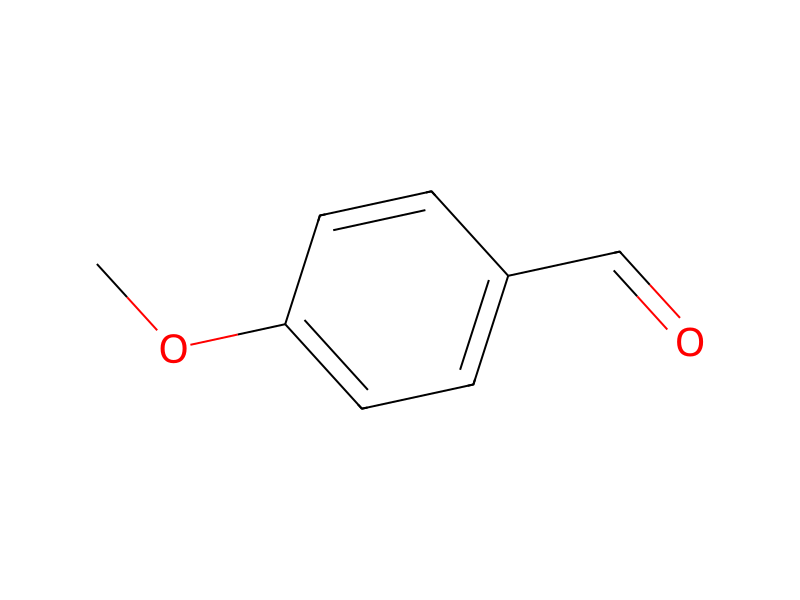
Product 1

Procedure
Compounds of the invention having the formula ##STR20## can be prepared as follows. Benzaldehyde and 4-methoxybenzaldehyde are reacted to yield 4-methoxybenzoin, which is converted to the hemisuccinate by reaction with succinic anhydride. The latter is reacted with urea and acetic acid to yield the intermediate 4-(4-methoxyphenyl)-5-phenyl-2-oxazole-propionic acid. ##STR21## The latter intermediate is demethylated with hydrogen bromide and esterified with methanol to yield the corresponding hydroxy methyl ester intermediate, which is then reacted with an appropriate haloalky-A compound, where A is as defined hereinbefore and hal is halo, to yield the desired final product as the methyl ester. ##STR22## The ester can be hydrolyzed by conventional methods to yield the desired final product in its free carboxylic acid form.
Workup
- customcan be prepared
Sources & evidence
- ORD record
- ord-b3499ca6ed884663b6e073579cf06459
- Source dataset
- uspto-grants-1994_11
- Patent number
- US05364944
Reaction notes
Loading…