Acetic Anhydride → HCID 57703495, compound
Reaction equation

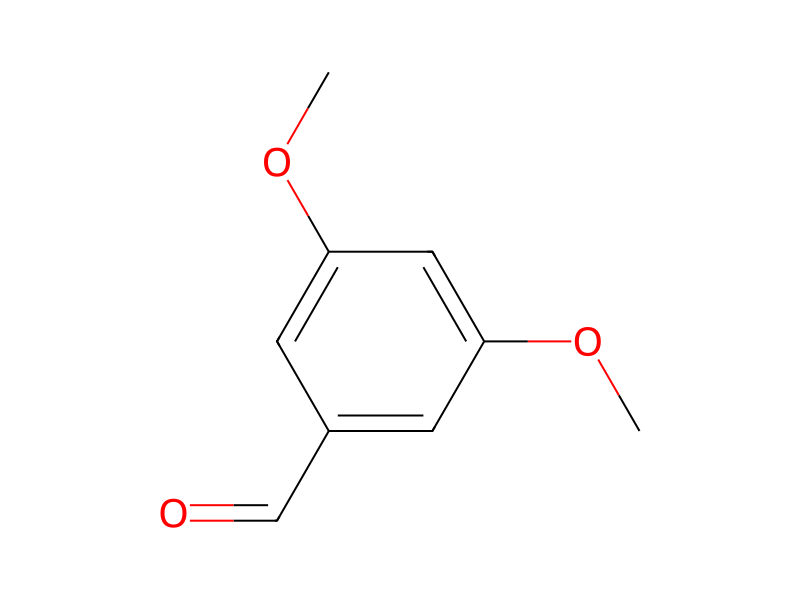
[F:1][C:2]1[CH:7]=[CH:6][C:5]([CH2:8][C:9]([OH:11])=[O:10])=[CH:4][CH:3]=1.[CH3:12][O:13][C:14]1[CH:15]=[C:16]([CH:19]=[C:20]([O:22][CH3:23])[CH:21]=1)[CH:17]=O.CC(OC(C)=O)=O.C(N(CC)CC)C>CCCCCC.C(OCC)(=O)C>[CH3:23][O:22][C:20]1[CH:19]=[C:16](/[CH:17]=[C:8](/[C:5]2[CH:4]=[CH:3][C:2]([F:1])=[CH:7][CH:6]=2)\[C:9]([OH:11])=[O:10])[CH:15]=[C:14]([O:13][CH3:12])[CH:21]=1Participants
6





Conditions
- Temperature
- 100 °C
Procedure
A mixture of 4-fluorophenyl acetic acid (0.928 g, 6.02 mmol), 3,5 dimethoxybenzaldehyde (1 g, 6.02 mmole), Ac2O (1 ml) and triethylamine (0.5 ml) was heated at 100° C. for 12 hours. Upon completion (as monitored by TLC using hexane-ethyl acetate (3:2), the reaction mixture was cooled to room temperature and concentrated HCL (5 ml) was added. The precipitate was dissolved in CH2Cl2 (100 ml), washed with 10% aqueous NaOH (3×50 ml) and the basic solution was acidified (PH-1) with concentrated HCL. After stirring, the precipitate was collected and dried to get the product (1.5 g, 82.87%).
Workup
- temperaturethe reaction mixture was cooled to room temperature
- concentrationconcentrated HCL (5 ml)
- additionwas added
- dissolutionThe precipitate was dissolved in CH2Cl2 (100 ml)
- washwashed with 10% aqueous NaOH (3×50 ml)
- customthe precipitate was collected
- customdried
Sources & evidence
- ORD record
- ord-a780e0ca3e2f4a808a1d63bc87d7ddc9
- Source dataset
- uspto-grants-2012_09
- Patent number
- US08263044B2
Reaction notes
Loading…