Ammonium Chloride → 2-(3-fluoropyridin-4-yl)-1-methyl-5-trifluoromethyl-1H-benzimidazole
Reaction equation

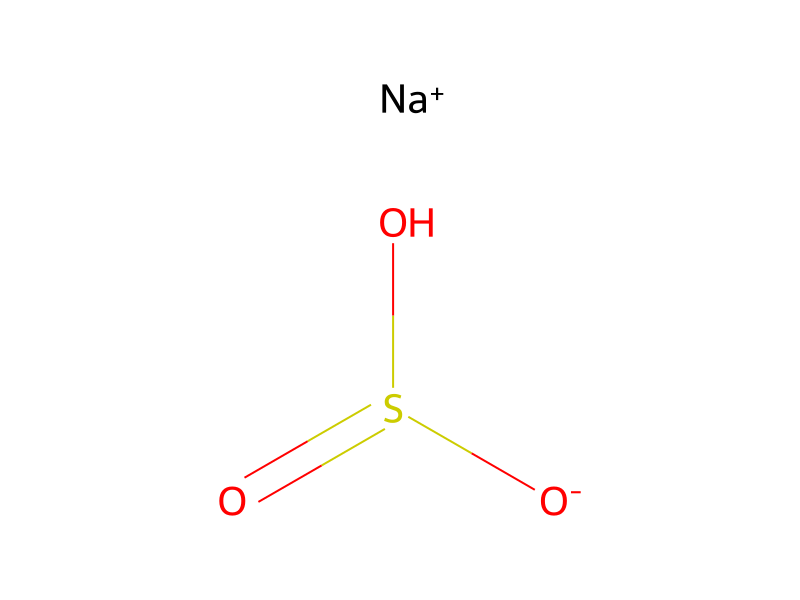
[CH3:1][NH:2][C:3]1[C:4]([NH2:13])=[CH:5][C:6]([C:9]([F:12])([F:11])[F:10])=[CH:7][CH:8]=1.[F:14][C:15]1[CH:16]=[N:17][CH:18]=[CH:19][C:20]=1[CH:21]=O.S(=O)(O)[O-].[Na+].[Cl-].[NH4+]>CN(C=O)C>[F:14][C:15]1[CH:16]=[N:17][CH:18]=[CH:19][C:20]=1[C:21]1[N:2]([CH3:1])[C:3]2[CH:8]=[CH:7][C:6]([C:9]([F:10])([F:11])[F:12])=[CH:5][C:4]=2[N:13]=1Participants
6
Reactant 4



Product 1

Reagents, catalysts & solvents 1

Conditions
- Temperature
- 80 °C
Procedure
A mixture of 1.90 g of N1-methyl-4-trifluoromethylbenzene-1,2-diamine, 1.49 g of 3-fluoropyridine-4-carbaldehyde, 3.12 g of sodium bisulfite and 20 ml of DMF was stirred for 1.5 hours while heating at 80° C., then, was stirred for 2 hours while heating at 120° C. After cooling down to room temperature, a saturated ammonium chloride aqueous solution was poured, and the mixture was extracted three times with ethyl acetate. The combined organic layers were dried over magnesium sulfate, then, concentrated under reduced pressure. The residue was subjected to silica gel column chromatography to obtain 1.83 g of 2-(3-fluoropyridin-4-yl)-1-methyl-5-trifluoromethyl-1H-benzimidazole (hereinafter, referred to as present active compound 4).
Workup
- stirringwas stirred for 2 hours
- temperaturewhile heating at 120° C
- temperatureAfter cooling down to room temperature
- extractionthe mixture was extracted three times with ethyl acetate
- dry with materialThe combined organic layers were dried over magnesium sulfate
- concentrationconcentrated under reduced pressure
Sources & evidence
- ORD record
- ord-322696cc977e4e8d843e9d0710be5298
- Source dataset
- uspto-grants-2012_09
- Patent number
- US08273764B2
Reaction notes
Loading…