Iodine → (1-benzyl-5-chloro-2,3,6,7-tetrahydro-1H-azepin-4-yl)-phenyl-methanol
Reaction equation

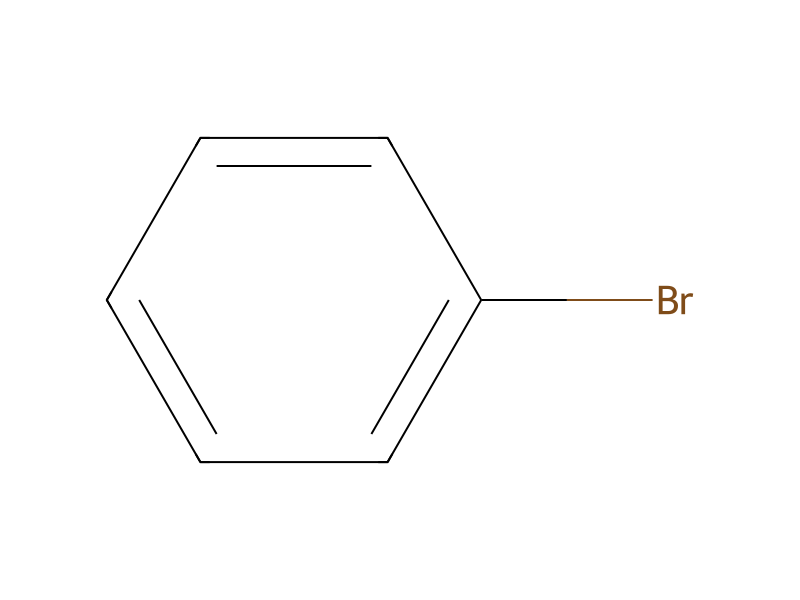
Br[C:2]1[CH:7]=[CH:6][CH:5]=[CH:4][CH:3]=1.[Mg].II.[CH2:11]([N:18]1[CH2:24][CH2:23][C:22]([Cl:25])=[C:21]([CH:26]=[O:27])[CH2:20][CH2:19]1)[C:12]1[CH:17]=[CH:16][CH:15]=[CH:14][CH:13]=1>C(OCC)C>[CH2:11]([N:18]1[CH2:24][CH2:23][C:22]([Cl:25])=[C:21]([CH:26]([C:2]2[CH:7]=[CH:6][CH:5]=[CH:4][CH:3]=2)[OH:27])[CH2:20][CH2:19]1)[C:12]1[CH:13]=[CH:14][CH:15]=[CH:16][CH:17]=1Participants
6
Reactant 4



Product 1

Reagents, catalysts & solvents 1

Procedure
136.6 g brombenzol in 300 mL diethylether was added to 21.2 g magnesium in 100 mL diethylether. The Grignard reaction is initiated with a small amount of iodine, kept at reflux by adding the bromebenzole and stirred additional 15 min for completion. Then, 21.2 g 1-benzyl-5-chloro-2,3,6,7-tetrahydro-1H-azepine-4-carbaldehyde in 300 mL diethylether was added. The mixture was stirred 2 h at 50° C. and quenched with 200 ml 6 M HCl solution at 0° C. The reaction was filtered and the filtrate was washed with diethylether and water. The filtrate was dissolved in sodium carbonate solution and chloroform. The layers were separated and the organic layer was washed with water and evaporated to give 89.9 g of the desired product. Fp:124° C.
Workup
- customThe Grignard reaction
- temperatureat reflux
- additionby adding the bromebenzole
- stirringThe mixture was stirred 2 h at 50° C.
- customquenched with 200 ml 6 M HCl solution at 0° C
- filtrationThe reaction was filtered
- washthe filtrate was washed with diethylether and water
- dissolutionThe filtrate was dissolved in sodium carbonate solution
- customThe layers were separated
- washthe organic layer was washed with water
- customevaporated
Sources & evidence
- ORD record
- ord-0a0ac27bdf2c408b9265ed57955699de
- Source dataset
- uspto-grants-2014_02
- Patent number
- US08642774B2
Reaction notes
Loading…