Potassium Carbonate → 3-(Imidazo[1,2-b]pyridazin-6-yloxy)aniline
Reaction equation

Cl[C:2]1[CH:3]=[CH:4][C:5]2[N:6]([CH:8]=[CH:9][N:10]=2)[N:7]=1.[NH2:11][C:12]1[CH:13]=[C:14]([OH:18])[CH:15]=[CH:16][CH:17]=1.C(=O)([O-])[O-].[K+].[K+].CN1CCCC1=O>[OH-].[Na+]>[N:10]1[CH:9]=[CH:8][N:6]2[C:5]=1[CH:4]=[CH:3][C:2]([O:18][C:14]1[CH:13]=[C:12]([CH:17]=[CH:16][CH:15]=1)[NH2:11])=[N:7]2Participants
6

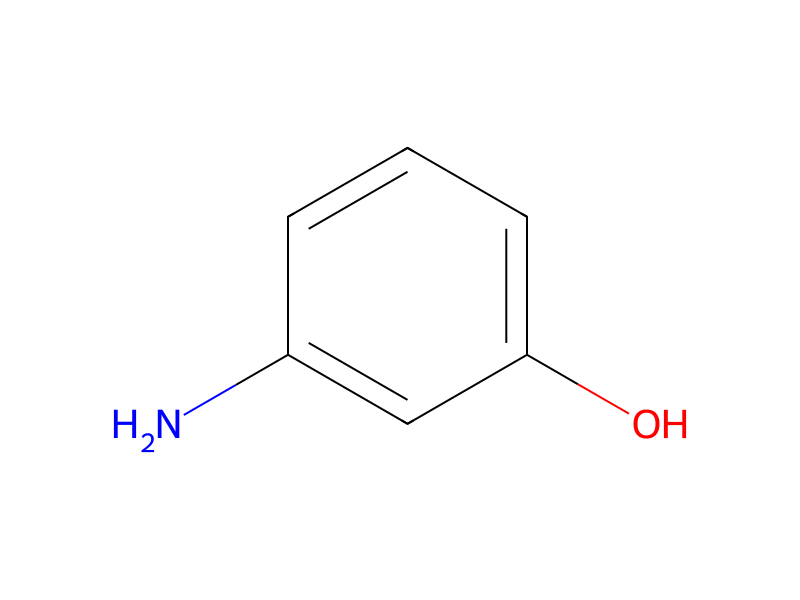




Conditions
- Temperature
- 120 °C
Procedure
A mixture of 6-chloroimidazo[1,2-b]pyridazine (1536 mg, 10.0 mmol), 3-aminophenol (1419 mg, 13.0 mmol), potassium carbonate (4146 mg, 30.0 mmol) and N-methylpyrrolidone (10 mL) was stirred at 120° C. for 48 hr. The reaction mixture was diluted with 1N aqueous sodium hydroxide solution, and extracted with ethyl acetate. The organic layer was washed with 1N aqueous sodium hydroxide solution and saturated brine, and concentrated under reduced pressure. The residue was purified by NH silica gel column chromatography (hexane/ethyl acetate=70/30→0/100), and precipitated from diisopropyl ether to give the title compound (932 mg, 41%) as a white powder.
Workup
- extractionextracted with ethyl acetate
- washThe organic layer was washed with 1N aqueous sodium hydroxide solution and saturated brine
- concentrationconcentrated under reduced pressure
- customThe residue was purified by NH silica gel column chromatography (hexane/ethyl acetate=70/30→0/100)
- customprecipitated from diisopropyl ether
Sources & evidence
- ORD record
- ord-7d9eac0d96044c539de33be1c30f6d8b
- Source dataset
- uspto-grants-2012_09
- Patent number
- US08273741B2
Reaction notes
Loading…