m-Chloroperbenzoic acid → HCID 18977935, compound
Reaction equation

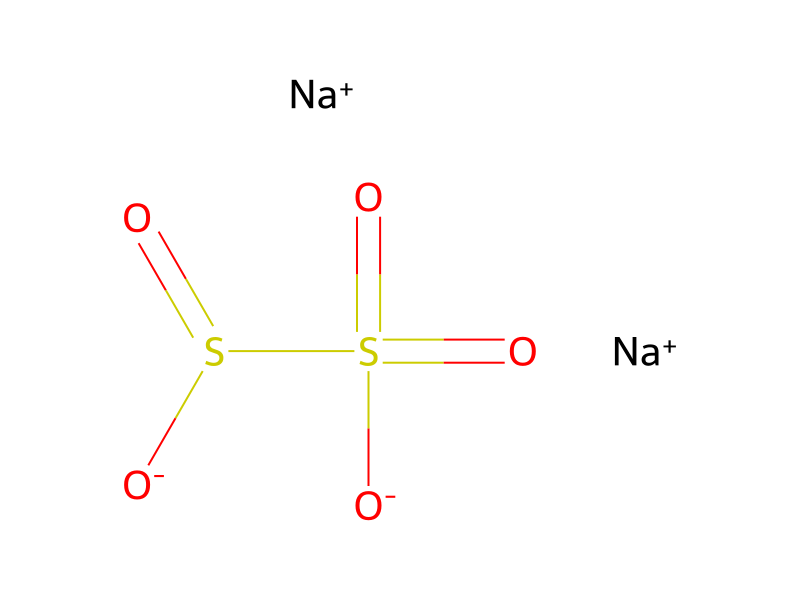
Cl[C:2]1C=CC=C(C(OO)=O)C=1.[CH:12]1([C:15]2[O:19][N:18]=[CH:17][C:16]=2[C:20](=[O:30])[C:21]2[CH:26]=[CH:25][C:24]([CH3:27])=[C:23](SC)[CH:22]=2)[CH2:14][CH2:13]1.[S:31](S([O-])=O)([O-:34])(=O)=[O:32].[Na+].[Na+]>ClCCl>[CH:12]1([C:15]2[O:19][N:18]=[CH:17][C:16]=2[C:20](=[O:30])[C:21]2[CH:22]=[CH:23][C:24]([CH3:27])=[C:25]([S:31]([CH3:2])(=[O:34])=[O:32])[CH:26]=2)[CH2:13][CH2:14]1Participants
5
Reactant 3


Product 1

Reagents, catalysts & solvents 1

Procedure
3-Chloroperbenzoic acid (about 50%, 2.5 g) was added to a solution of 5-cyclopropyl-4-(4-methyl-3-methylsulphenylbenzoyl)isoxazole (0.8 g) in dichloromethane and the mixture was stirred at room temperature overnight. An aqueous solution of sodium metabisulphite was added and the mixture was stirred for 20 minutes. The solid was filtered and the filtrate layers separated. The organic phase was washed with aqueous sodium acetate, brine, dried and filtered. The filtrate was evaporated and the residue triturated with ether and filtered to give 5-cyclopropyl-4-(4-methyl-3-methylsulphonylbenzoyl)isoxazole (0.65 g) as a white solid, m.p. 126.4°-127.7° C.
Workup
- stirringthe mixture was stirred for 20 minutes
- filtrationThe solid was filtered
- customthe filtrate layers separated
- washThe organic phase was washed with aqueous sodium acetate, brine
- customdried
- filtrationfiltered
- customThe filtrate was evaporated
- customthe residue triturated with ether
- filtrationfiltered
Sources & evidence
- ORD record
- ord-43a98d7b87bf43959bcc749d85ca0258
- Source dataset
- uspto-grants-1998_09
- Patent number
- US05804532
Reaction notes
Loading…