Naphthalene → 3,3-Dimethyl-1,2,3,4-tetrahydroisoquinoline
Reaction equation

C1C2C(=CC=CC=2)C=CC=1.[Na].C1(C)C(S([N:21]2[C:30]([CH3:32])([CH3:31])[CH2:29][C:28]3[C:23](=[CH:24][CH:25]=[CH:26][CH:27]=3)[CH2:22]2)(=O)=O)=CC=CC=1>C(COC)OC.COCOC>[CH3:31][C:30]1([CH3:32])[CH2:29][C:28]2[C:23](=[CH:24][CH:25]=[CH:26][CH:27]=2)[CH2:22][NH:21]1Participants




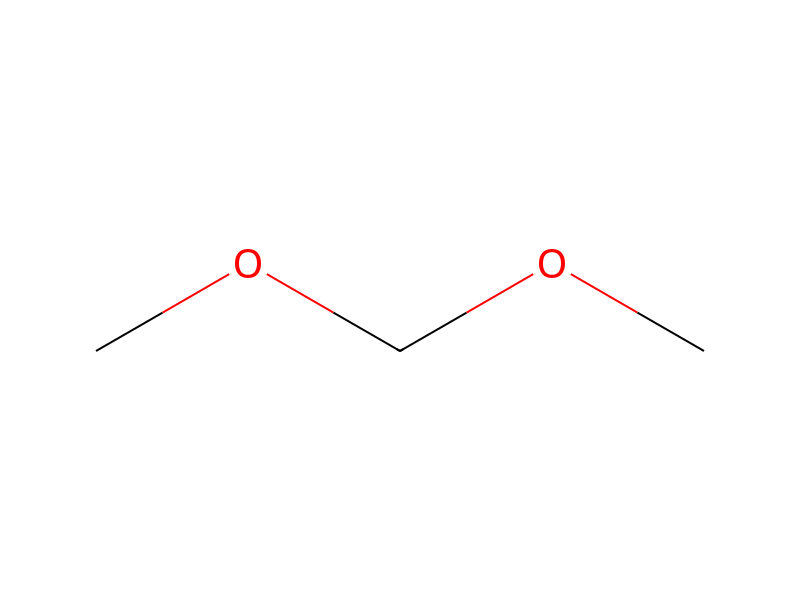

Procedure
To a stirred solution of naphthalene (5.8 g, 0.045 mol) in dimethoxyethane (50 mL) was added sodium metal (1.09 g, 0.039 mol.). The mixture was allowed to stir for four (4) hours until a dark green color persisted. To this was added of N-toluenesulfonyl-3,3-dimethyl-1,2,3,4-tetrahydroisoquinoline (5.0 g, 0.016 mol.) in 20 mL of dimethoxymethane. The reaction was monitored by gas chromatography. When the reaction was complete (≈2 hours), the mixture was quenched with saturated sodium chloride (70 mL). The mixture was partitioned between ethyl acetate (250 mL) and 10% HCL (250 mL) and the organic layer was discarded. 10% Sodium hydroxide was added to the aqueous layer until a pH=7 was obtained. The aqueous layer was further extracted over methylene chloride (2×100 mL), dried over magnesium sulfate, filtered and concentrated (25° C./150 torr) to produce 2.2 g (86%) of 3,3-dimethyl-1,2,3,4-tetrahydroisoquinoline.
Workup
- custom(≈2 hours)
- customthe mixture was quenched with saturated sodium chloride (70 mL)
- customThe mixture was partitioned between ethyl acetate (250 mL) and 10% HCL (250 mL)
- addition10% Sodium hydroxide was added to the aqueous layer until a pH=7
- customwas obtained
- extractionThe aqueous layer was further extracted over methylene chloride (2×100 mL)
- dry with materialdried over magnesium sulfate
- filtrationfiltered
- concentrationconcentrated (25° C./150 torr)
Sources & evidence
- ORD record
- ord-bbc5d5d97eb746e68fb48c9c8d11df52
- Source dataset
- uspto-grants-1998_09
- Patent number
- US05808071
Reaction notes
Loading…