Acetic Anhydride → HCID 18179293, compound
Reaction equation

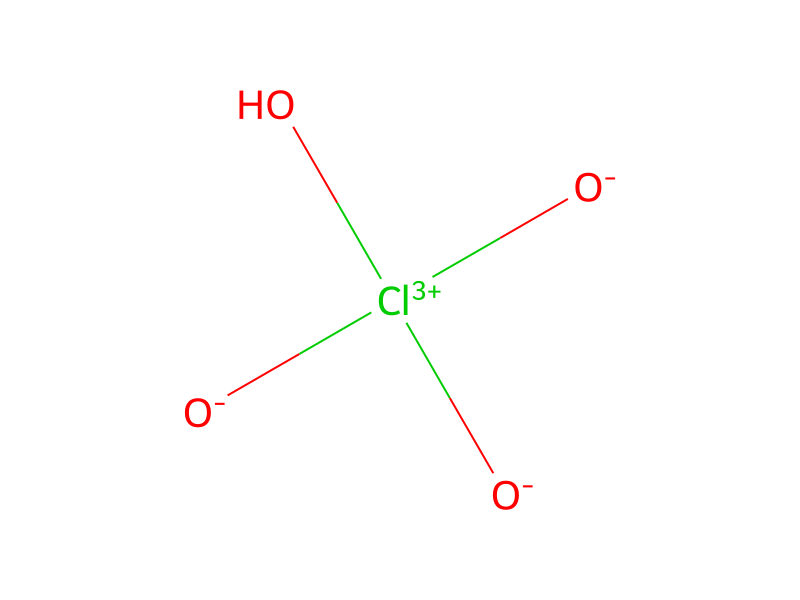
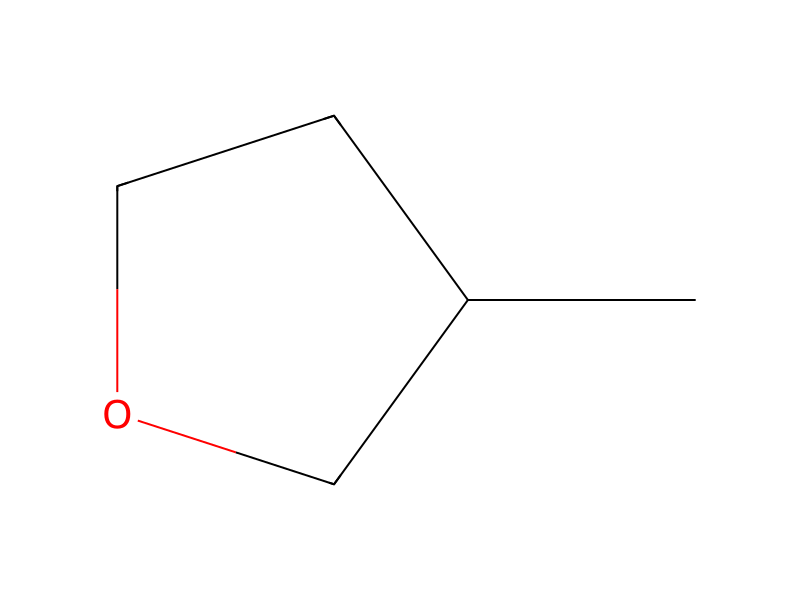
[O:1]1[CH2:5][CH2:4][CH2:3][CH2:2]1.[CH3:6][CH:7]1[CH2:11][CH2:10][O:9][CH2:8]1.Cl(O)(=O)(=O)=O.C(OC(=O)C)(=O)C.[OH-].[Na+]>>[CH3:6][CH:7]1[CH2:11][CH2:10][O:9][CH2:8]1.[O:1]1[CH2:5][CH2:4][CH2:3][CH2:2]1Participants




Conditions
- Temperature
- 70 °C
Procedure
Into a 3,000-ml four-necked flask equipped with a stirrer, a thermometer, and a silica gel tube were introduced 1,200 g (16.64 mol) of tetrahydrofuran and 320 g (3.72 mol) of 3-methyltetrahydrofuran. The contents were cooled to 10° C. with an ice-cooled bath. Thereto was added 53 g of 70 wt % perchloric acid using a dropping funnel. Subsequently, 187 g of acetic anhydride was added thereto using another dropping funnel over a period of about 30 minutes so as not to cause heat generation. A reaction was then allowed to proceed for 8 hours while keeping the temperature of the mixture at 15° C. After completion of the reaction, 805 g of 20 wt % aqueous sodium hydroxide solution was added to terminate the reaction. The reaction vessel was then provided with a heater and a distiller, and was gradually heated to recover the unreacted monomers by distillation. Subsequently, 900 ml of n-butanol was added to the reaction mixture to dissolve the crude poly(tetramethylene glycol). The distiller was replaced with a reflux condenser to conduct a hydrolysis reaction at 90° C. for 5 hours. After completion of the reaction, the reaction mixture was cooled to about 70° C., and stirring was stopped to allow the reaction mixture to stand. The resulting alkaline aqueous layer as the lower layer was removed. To the remaining oil layer was added 500 g of distilled water. This mixture was stirred and washed with refluxing for 30 minutes and then allowed to stand, and the resulting aqueous layer as the lower layer was removed. This water-washing operation was repeated further three times. The finally obtained oil layer was transferred to a Claisen flask equipped with a distiller, and the n-butanol as solvent and the water present in a slight amount were removed to obtain 912 g of 3-methyltetrahydrofuran/tetrahydrofuran copolyether glycol, which was colorless and transparent. From its hydroxyl value determined by the acetylation method, H1NMR data, and DSC (Differential Scanning Calorimeter) data, this copolyether glycol was found to have a number-average molecular weight of 2,022, a 3-methyltetrahydrofuran unit/tetrahydrofuran ratio of 16/84 (by weight), and a melting point of 8° C.
Workup
- customInto a 3,000-ml four-necked flask equipped with a stirrer
- temperaturecooled bath
- customof about 30 minutes
- temperatureto cause heat generation
- customat 15° C
- additionwas added
- customto terminate
- customthe reaction
- customThe reaction vessel was then provided with a heater
- temperaturea distiller, and was gradually heated
- customto recover the unreacted monomers
- distillationby distillation
- additionSubsequently, 900 ml of n-butanol was added to the reaction mixture
- dissolutionto dissolve the crude poly(tetramethylene glycol)
- customThe distiller was replaced with a reflux condenser
- customa hydrolysis reaction at 90° C. for 5 hours
- customAfter completion of the reaction
- customThe resulting alkaline aqueous layer as the lower layer was removed
- additionTo the remaining oil layer was added 500 g of distilled water
- stirringThis mixture was stirred
- washwashed
- temperaturewith refluxing for 30 minutes
- customthe resulting aqueous layer as the lower layer was removed
- washThis water-washing operation
- customequipped with a distiller
- customthe n-butanol as solvent and the water present in a slight amount were removed
Sources & evidence
- ORD record
- ord-7d616c96c6bf4f0fbdf1ea646f16f410
- Source dataset
- uspto-grants-1996_02
- Patent number
- US05494990
Reaction notes
Loading…