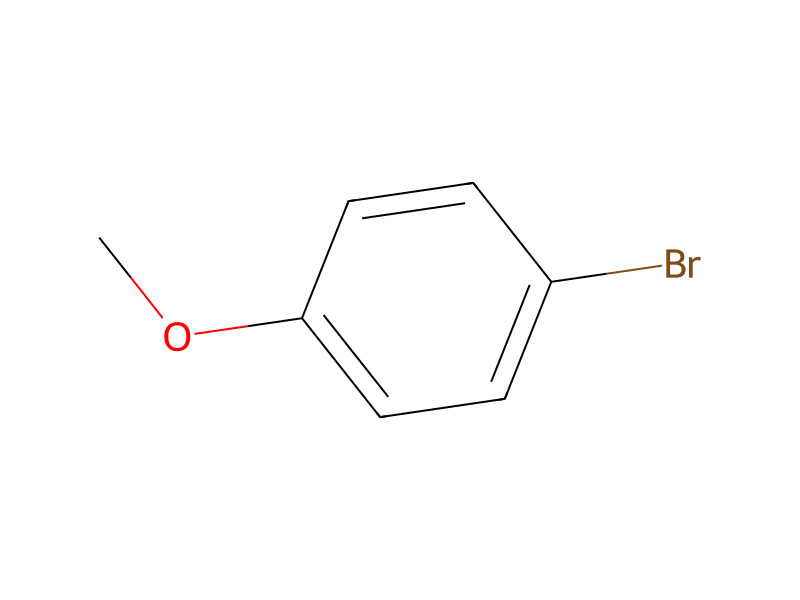
4-Bromoanisole → 1,1'-Biphenyl, 4,4'-dimethoxy-
Reaction equation

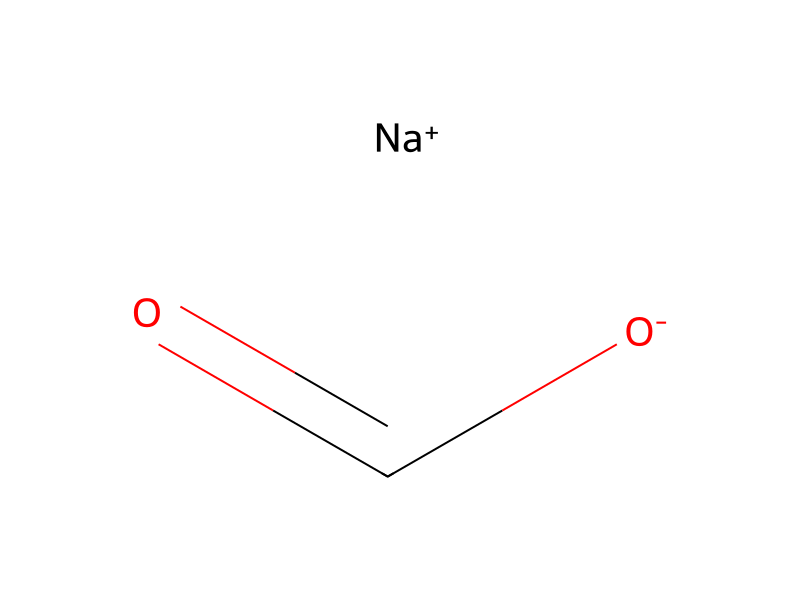
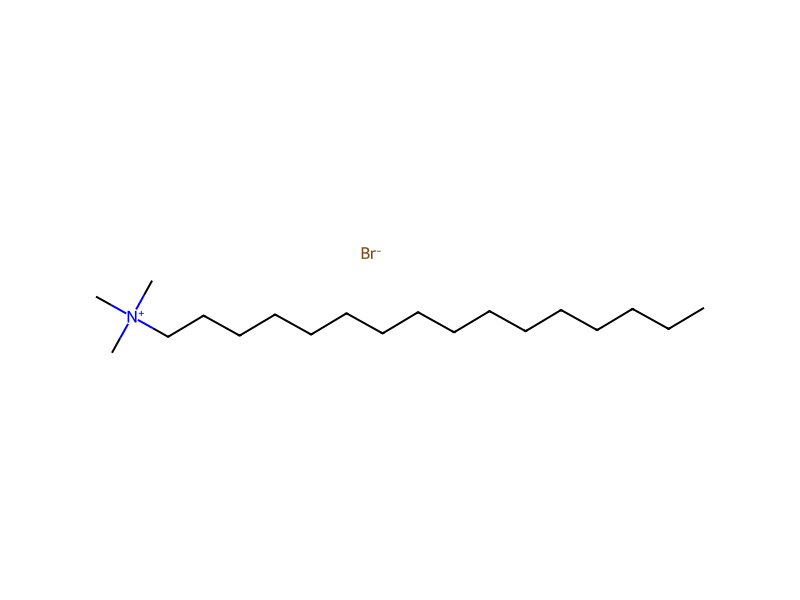
Br[C:2]1[CH:7]=[CH:6][C:5]([O:8][CH3:9])=[CH:4][CH:3]=1.[CH:10]([O-:12])=O.[Na+].[OH-].[Na+]>[Br-].C([N+](C)(C)C)CCCCCCCCCCCCCCC.[Pd].O>[CH3:9][O:8][C:5]1[CH:6]=[CH:7][C:2]([C:2]2[CH:7]=[CH:6][C:5]([O:12][CH3:10])=[CH:4][CH:3]=2)=[CH:3][CH:4]=1Participants




Procedure
18.7 parts of 4-bromoanisole, 6.8 parts of sodium formate, 64 parts of sodium hydroxide liquor (32%), 60 parts of water, 4 parts of cetyl trimethyl ammonium bromide and 3% palladium-on-charcoal (62% paste, 2 parts) are stirred and heated under reflux for 4 hours. A further 6.8 parts of sodium formate are added, and stirring and heating is continued for a further 18 hours. Steam is then passed through the reaction mixture to remove anisole, and the mixture is cooled and filtered. The filter cake is washed with water, dried at 60°, and extracted with 200 parts of chloroform. The palladium catalyst is recovered by filtration of the chloroform extract, and the chloroform is then distilled under vacuum. The white solid residue is triturated with 500 parts of cold water, collected by filtration, and dried at 60°. 5.2 parts of 4,4'-dimethoxybiphenyl, m.p. 172°-173° are obtained.
Workup
- temperatureheated
- temperatureunder reflux for 4 hours
- temperatureheating
- customto remove anisole
- temperaturethe mixture is cooled
- filtrationfiltered
- washThe filter cake is washed with water
- customdried at 60°
- extractionextracted with 200 parts of chloroform
- filtrationThe palladium catalyst is recovered by filtration of the chloroform
- extractionextract
- distillationthe chloroform is then distilled under vacuum
- customThe white solid residue is triturated with 500 parts of cold water
- filtrationcollected by filtration
- customdried at 60°
Sources & evidence
- ORD record
- ord-30ec644add91409e9d5715f4d2bdf2a1
- Source dataset
- uspto-grants-1977_05
- Patent number
- US04022795
Reaction notes
Loading…