2-Nitropropane → HCID 178457349, compound
Reaction equation

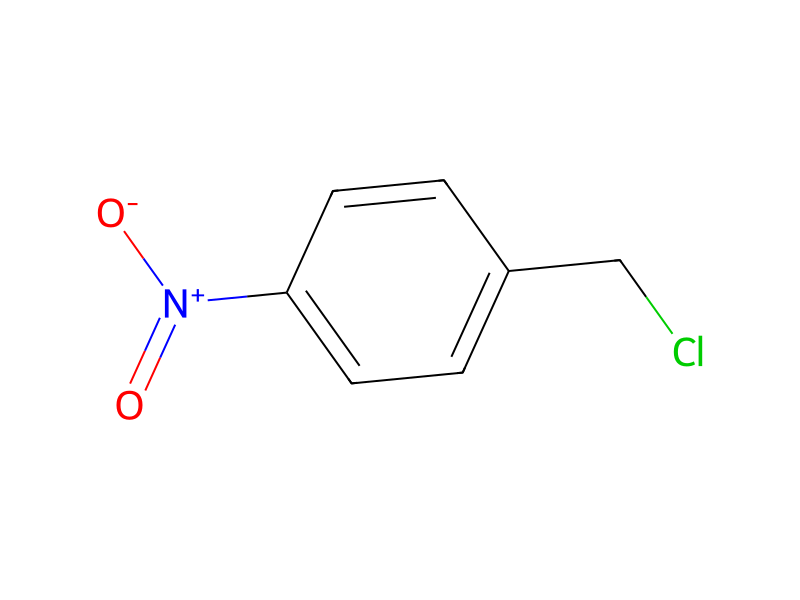
[N+:1]([C:4]1[CH:9]=[CH:8][C:7]([CH2:10][C:11]([CH3:16])([CH3:15])[N+:12]([O-])=O)=[CH:6][CH:5]=1)([O-])=O.[N+](C1C=CC(CCl)=CC=1)([O-])=O.[N+](C(C)C)([O-])=O.[H-].[Li+]>O1CCOCC1.[Ru]>[NH2:1][C@H:4]1[CH2:9][CH2:8][C@H:7]([CH2:10][C:11]([NH2:12])([CH3:15])[CH3:16])[CH2:6][CH2:5]1.[NH2:1][C@@H:4]1[CH2:9][CH2:8][C@H:7]([CH2:10][C:11]([NH2:12])([CH3:15])[CH3:16])[CH2:6][CH2:5]1Participants
8
Reactant 4



Product 2


Reagents, catalysts & solvents 2


Procedure
Ten grams of 2-(4-nitrophenyl)-1,1-dimethyl-1-nitroethane, prepared from the reaction of p-nitrobenzyl chloride and 2-nitropropane catalyzed by lithium hydride, dissolved in dioxane, was hydrogenated in the presence of 0.8 grams of 10% ruthenium on carbon at 120° C. and 1600 p.s.i.g. for 7 hours. The reaction mixture was filtered and the filtrate was fractionally distilled to produce 6.7 grams of trans 2-(4-aminocyclohexyl)-1,1-dimethylethylamine (A) boiling point 78° C. at 0.2 mm Hg, and 1.5 grams of cis 2-(4-aminocyclohexyl)-1,1-dimethylethylamine (B), boiling point 69° C. at 0.2 mm Hg.
Workup
- filtrationThe reaction mixture was filtered
- distillationthe filtrate was fractionally distilled
Sources & evidence
- ORD record
- ord-f7689466884c423d86f787d6c5c21487
- Source dataset
- uspto-grants-1977_05
- Patent number
- US04024185
Reaction notes
Loading…