p-Toluenesulfonic acid → 2-[2-(4-Chloroanilino)-5-benzoxazolyl]propionitrile
Reaction equation

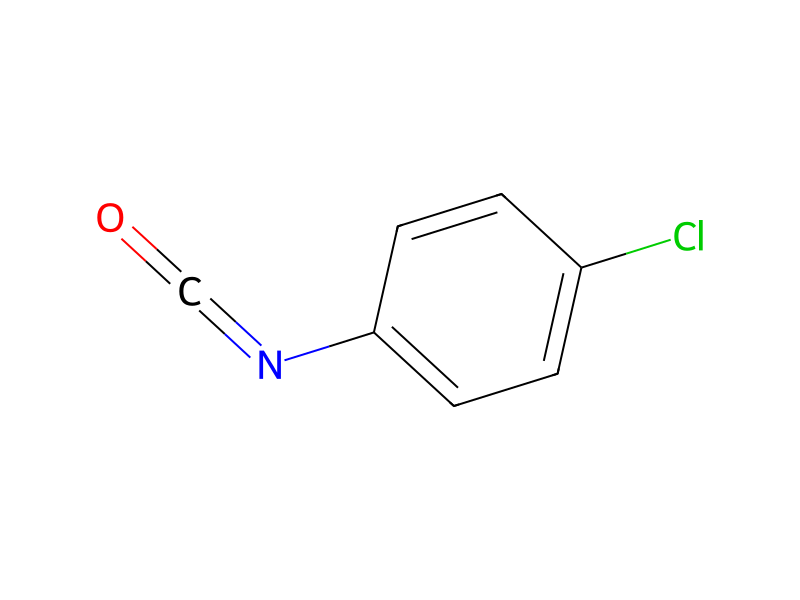
[Cl:1][C:2]1[CH:7]=[CH:6][C:5]([N:8]=[C:9]=[O:10])=[CH:4][CH:3]=1.[NH2:11][C:12]1[CH:13]=[C:14]([CH:19]([CH3:22])[C:20]#[N:21])[CH:15]=[CH:16][C:17]=1O.C1(C)C=CC(S(O)(=O)=O)=CC=1>C1(C)C(C)=CC=CC=1>[Cl:1][C:2]1[CH:7]=[CH:6][C:5]([NH:8][C:9]2[O:10][C:17]3[CH:16]=[CH:15][C:14]([CH:19]([CH3:22])[C:20]#[N:21])=[CH:13][C:12]=3[N:11]=2)=[CH:4][CH:3]=1Participants
5




Procedure
4-chlorophenylisocyanate (3.1 g.) was slowly added to a stirred solution of 2-(3-amino-4-hydroxyphenyl propionitrile (3.3 g.) in xylene (35 ml.) at room temperature. When the addition was complete p-toluenesulphonic acid (250 mg.) was added, and the solution was heated under reflux using a Dean and Stark apparatus. On cooling, the solution was washed with aqueous sodium bicarbonate solution and evaporated to dryness. The residue was recrystallised to give 2-[2-(4-chloroanilino)-5-benzoxazolyl]propionitrile as a creme solid which was characterised by n.m.r. spectroscopy.
Workup
- additionWhen the addition
- additionwas added
- temperaturethe solution was heated
- temperatureunder reflux
- temperatureOn cooling
- washthe solution was washed with aqueous sodium bicarbonate solution
- customevaporated to dryness
- customThe residue was recrystallised
Sources & evidence
- ORD record
- ord-972475b9fafa42d4ade4f2adea0d4f27
- Source dataset
- uspto-grants-1977_05
- Patent number
- US04025637
Reaction notes
Loading…