Anisole → HCID 21432700, compound
Reaction equation

N(OCCCCC)=O.N[C:10]1[CH:11]=[C:12]2[C:17](=[CH:18][CH:19]=1)[N:16]=[N:15][C:14]([C:20]([O:22][CH2:23][CH3:24])=[O:21])=[C:13]2O.[C:26]1([O:32][CH3:33])[CH:31]=[CH:30][CH:29]=[CH:28][CH:27]=1>>[CH3:33][O:32][C:26]1[CH:31]=[CH:30][CH:29]=[CH:28][C:27]=1[C:10]1[CH:11]=[C:12]2[C:17](=[CH:18][CH:19]=1)[NH:16][N:15]=[C:14]([C:20]([O:22][CH2:23][CH3:24])=[O:21])[CH2:13]2Participants
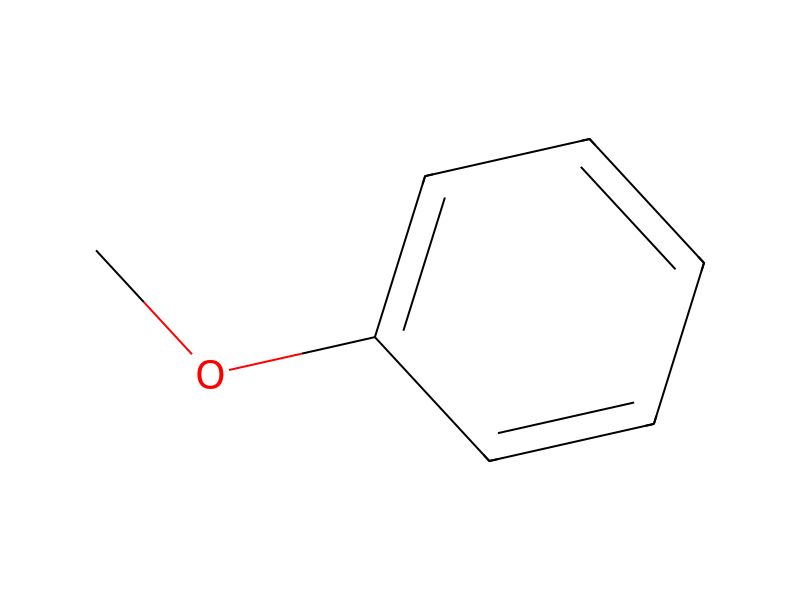


Procedure
Amyl nitrite (2 ml.) was added to a stirred suspension of ethyl 6-amino-4-hydroxycinnolin-3-yl carboxylate (2 g.) in anisole (250 ml.). The suspension was stirred and heated on a steam bath for 3 hours. The resulting solution was filtered whilst hot and the filtrate was evaporated. The residue was applied to a silica column (100 g. of Kieselgel 60) and eluted with a 10% v/v mixture of dry ethanol and chloroform. The appropriate fractions were evaporated, the residual solid [ethyl 4-hydroxy 6-(methoxyphenyl)cinnolin-3-yl carboxylate] was dissolved in thionyl chloride (50 ml.), and dimethylformamide (5 drops) added. The solution was heated under reflux until gaseous evolution ceased. The solution was then evaporated under reduced pressure, the residue dissolved in dry toluene (20 ml.), and the solution evaporated to dryness. The residue was dissolved in a mixture of dimethylformamide (2 ml.) and ethyl acetate (50 ml.), and sodium borohydride (0.5 g.) was added. The mixture was stirred for 2 hours at room temperature and then added to a mixture of N-hydrochloric acid (10 ml.) and ethyl acetate (50 ml.). The mixture was separated and the ethyl acetate layer was washed with water (3× 20 ml.), dried (MgSO4), and filtered. There was thus obtained the solution of ethyl 6-(methoxyphenyl)-1,4-dihydrocinnolin-3-yl carboxylate (believed to be a mixture of isomers varying in the position of the methoxy radical on the phenyl substituent) which was used as starting material in this Example.
Workup
- temperatureheated on a steam bath for 3 hours
- filtrationThe resulting solution was filtered whilst hot and the filtrate
- customwas evaporated
- washeluted with a 10% v/v mixture of dry ethanol and chloroform
- customThe appropriate fractions were evaporated
- dissolutionthe residual solid [ethyl 4-hydroxy 6-(methoxyphenyl)cinnolin-3-yl carboxylate] was dissolved in thionyl chloride (50 ml.)
- additiondimethylformamide (5 drops) added
- temperatureThe solution was heated
- temperatureunder reflux until gaseous evolution
- customThe solution was then evaporated under reduced pressure
- dissolutionthe residue dissolved in dry toluene (20 ml.)
- customthe solution evaporated to dryness
- dissolutionThe residue was dissolved in a mixture of dimethylformamide (2 ml.) and ethyl acetate (50 ml.), and sodium borohydride (0.5 g.)
- additionwas added
- stirringThe mixture was stirred for 2 hours at room temperature
- additionadded to a mixture of N-hydrochloric acid (10 ml.) and ethyl acetate (50 ml.)
- customThe mixture was separated
- washthe ethyl acetate layer was washed with water (3× 20 ml.)
- dry with materialdried (MgSO4)
- filtrationfiltered
Sources & evidence
- ORD record
- ord-8e140f113fda464287652daec1c5a194
- Source dataset
- uspto-grants-1977_05
- Patent number
- US04027023
Reaction notes
Loading…