Hydrochloric Acid → HCID 19385473, compound
Reaction equation

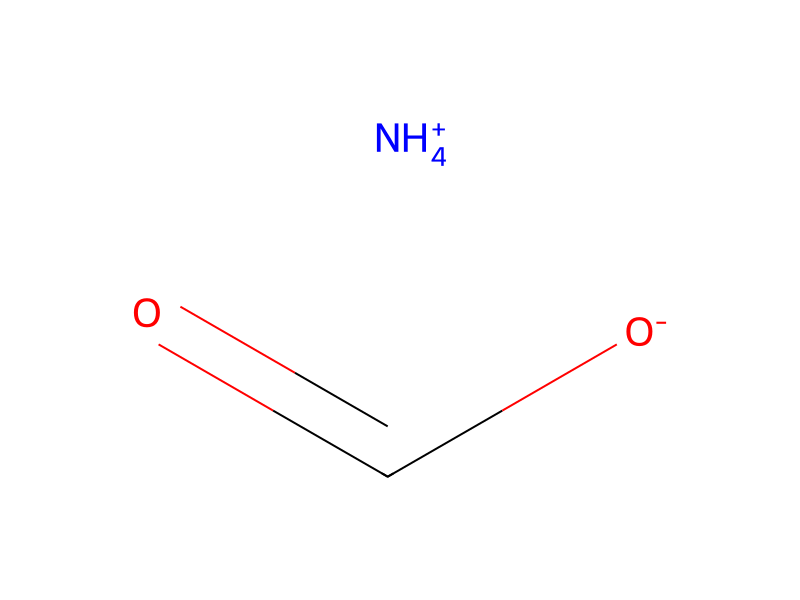
[NH:1]([C:3]1[N:4]=[N:5][C:6]([C:9]2[CH:14]=[CH:13][C:12]([O:15][CH:16]([F:18])[F:17])=[C:11]([O:19][CH3:20])[CH:10]=2)=[CH:7][CH:8]=1)N.Cl.C([O-])=O.[NH4+]>C(O)C.[Pd]>[NH2:1][C:3]1[N:4]=[N:5][C:6]([C:9]2[CH:14]=[CH:13][C:12]([O:15][CH:16]([F:17])[F:18])=[C:11]([O:19][CH3:20])[CH:10]=2)=[CH:7][CH:8]=1Participants
Reactant 3


Product 1

Reagents, catalysts & solvents 2


Conditions
- Temperature
- 80 °C
Procedure
5.0 g (18 mmol) of 3-hydrazino-6-(4-difluoromethoxy-3-methoxyphenyl)pyridazine are dissolved in 50 ml of ethanol and 2.3 ml (27 mmol) of concentrated hydrochloric acid, 1 g of palladium/carbon and 3.4 g (54 mmol) of ammonium formate are added, and the mixture is heated to 80° C. After evolution of gases has ceased, the mixture is stirred for a further 3 hours, filtered to remove the catalyst, and the solution is stirred in 1 l water and made alkaline with concentrated ammonia, and the resulting precipitate is collected on a suction funnel. The filter cake is thoroughly washed with water and then dried and chromatographed in a 95:5 mixture of dichloromethane/methanol on silica gel. The appropriate fractions are concentrated in vacuo. 3 g (63.6%) of 3-amino-6-(4-difluoromethoxy-3-methoxyphenyl)pyridazine of m.p. 184° C. are obtained.
Workup
- filtrationfiltered
- customto remove the catalyst
- stirringthe solution is stirred in 1 l water
- customthe resulting precipitate is collected on a suction funnel
- washThe filter cake is thoroughly washed with water
- customdried
- customchromatographed in a 95:5 mixture of dichloromethane/methanol on silica gel
- concentrationThe appropriate fractions are concentrated in vacuo
Sources & evidence
- ORD record
- ord-cebb52af42f04462a1475e0b654afef2
- Source dataset
- uspto-grants-1995_09
- Patent number
- US05449676
Reaction notes
Loading…