Hydrochloric Acid → HCID 12416900, compound
Reaction equation

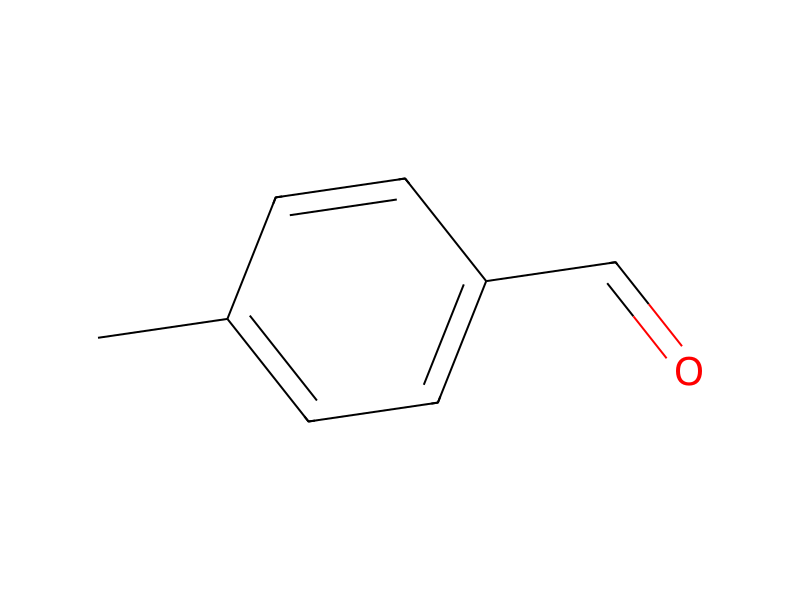
Br[C:2]1[CH:7]=[CH:6][CH:5]=[CH:4][C:3]=1[CH2:8][C:9]([O:11][CH3:12])=[O:10].[CH3:13][C:14]1[CH:21]=[CH:20][C:17]([CH:18]=[O:19])=[CH:16][CH:15]=1.II.Cl>C1COCC1.CCOCC.[Zn]>[OH:19][CH:18]([C:17]1[CH:20]=[CH:21][C:14]([CH3:13])=[CH:15][CH:16]=1)[CH:8]([C:3]1[CH:4]=[CH:5][CH:6]=[CH:7][CH:2]=1)[C:9]([O:11][CH3:12])=[O:10]Participants







Procedure
To a solution of methyl 2-bromophenylacetate (473 mg; 2.065 mmol) and 4-methylbenzaldehyde (188 mg, 1.57 mmol) in dry THF (5 mL) under N2 was added powdered zinc (201 mg, 3.09 mmol). After stirring at reflux for 10 min, a few crystals of iodine were added. The mixture was refluxed under N2 for 4 hours, then allowed to stand at room temperature overnight. The next day the mixture was diluted in Et2O and 1N HCl was added. The biphasic mixture was stirred until the zinc had completely dissolved in the aqueous layer. The organic layer was separated, washed with brine, dried (MgSO4), filtered, and concentrated in vacuo. The residue which contained two diastereomers (Rf=0.22, 0.17 in 15% EtOAc/hexane), was purified on a silica gel flash chromatography column eluted with 15% ethyl acetate/hexane. A total of 283 mg (67%) of both diastereomers was isolated. The 300 MHz 1H NMR spectra of each diastereomer was consistent with its structure.
Workup
- temperatureat reflux for 10 min
- temperatureThe mixture was refluxed under N2 for 4 hours
- dissolutionhad completely dissolved in the aqueous layer
- customThe organic layer was separated
- washwashed with brine
- dry with materialdried (MgSO4)
- filtrationfiltered
- concentrationconcentrated in vacuo
- customwas purified on a silica gel flash chromatography column
- washeluted with 15% ethyl acetate/hexane
- customA total of 283 mg (67%) of both diastereomers was isolated
Sources & evidence
- ORD record
- ord-48ec3f8e2a234024aefed6a901e747cb
- Source dataset
- uspto-grants-1995_09
- Patent number
- US05449682
Reaction notes
Loading…