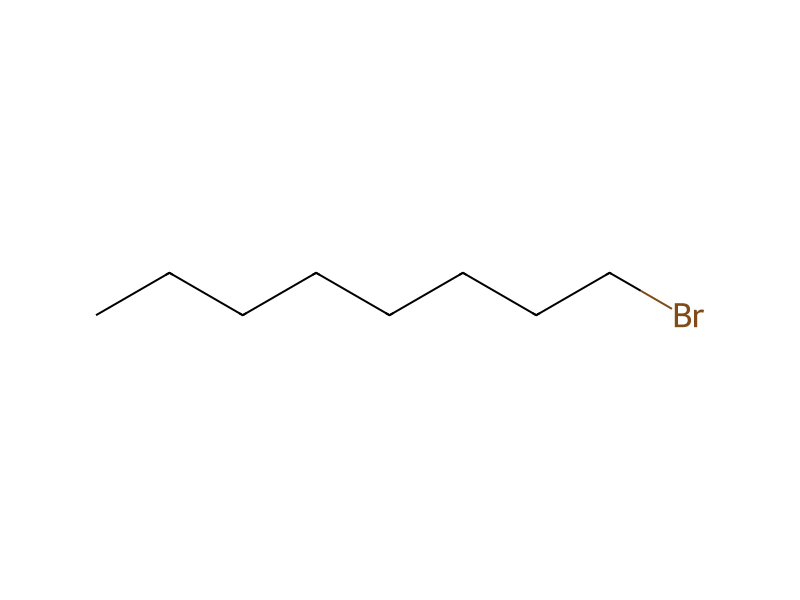
1-Bromooctane → HCID 19384542, compound
Reaction equation

[CH3:1][C:2]1([CH3:23])[C:10]2[C:6](=[N:7][C:8]3[C:9]=2[CH2:11][CH:12]=[CH:13][C:14]=3[O:15][CH2:16][C:17]2[CH:22]=[CH:21][CH:20]=[CH:19][CH:18]=2)[CH2:5][CH2:4][CH2:3]1.Br[CH2:25][CH2:26][CH2:27][CH2:28][CH2:29][CH2:30][CH2:31][CH3:32]>>[CH3:1][C:2]1([CH3:23])[C:10]2[C:6](=[N:7][C:8]3[C:9]=2[CH:11]([CH2:25][CH2:26][CH2:27][CH2:28][CH2:29][CH2:30][CH2:31][CH3:32])[CH:12]=[CH:13][C:14]=3[O:15][CH2:16][C:17]2[CH:18]=[CH:19][CH:20]=[CH:21][CH:22]=2)[CH2:5][CH2:4][CH2:3]1Participants
3


Procedure
Using the procedure of Example 9, the alkylation of 7.7 g of 1,2,3,4-tetrahydro-1,1-dimethyl-6-phenylmethoxy-9H-dibenzo[b,d]pyrrole from Example 58 was reacted with 5.48 g of 1-bromooctane to produce 5.3 g (50.5%) of 1,2,3,4-tetrahydro-1,1-dimethyl-6-phenylmethoxy-9-octyl-9H-dibenzo-[b,d]pyrrole as an orange oil after chromatographic purification.
Sources & evidence
- ORD record
- ord-a5a81dfb42fb4cd18c49a7a896d2d644
- Source dataset
- uspto-grants-1995_09
- Patent number
- US05451600
Reaction notes
Loading…