2-Bromopropane → HCID 14245132, compound
Reaction equation

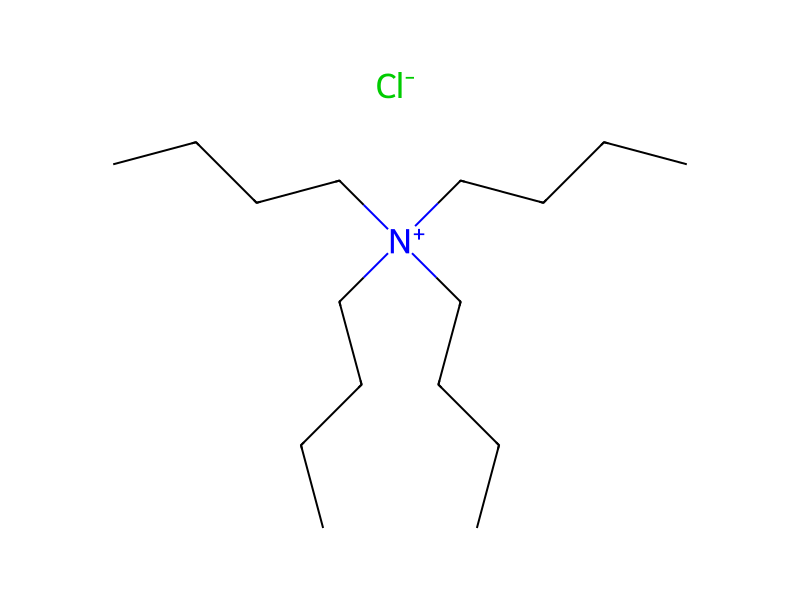
[F:1][C:2]1[CH:7]=[CH:6][CH:5]=[CH:4][C:3]=1[CH2:8][C:9]#[N:10].[OH-].[Na+].Br[CH:14]([CH3:16])[CH3:15]>[Cl-].C([N+](CCCC)(CCCC)CCCC)CCC>[F:1][C:2]1[CH:7]=[CH:6][CH:5]=[CH:4][C:3]=1[CH:8]([CH:14]([CH3:16])[CH3:15])[C:9]#[N:10]Participants
Reactant 3



Product 1

Reagents, catalysts & solvents 1
Procedure
A mixture of 2-fluorophenylacetonitrile (10.0 g, 74.1 mmoles), 50% aqueous sodium hydroxide (5.2 g), sodium hydroxide (741 mg), tetra-n-butylammonium chloride (3.3 g), and 2-bromopropane (10.0 g, 81.5 mmoles) was stirred rapidly while heating from room temperature to 60°-65°. The temperature was increased to 90°-95 and so maintained for 1.0 hour. After cooling, the mixture was partitioned between diethyl ether and water. The organic layer was washed with brine, dried over sodium sulfate, filtered, and the solvent evaporated. Chromatography of the residue over silica gel using 30% methylene chloride-hexane as eluent gave a compound (9.35 g) as a water-white oil which was characterized by NMR, as follows: 1H NMR(CDCl3) d 7.51-7.00 (m, 4H), 3.99 (d, 1H), 2.22 (m, 1H), 1.06 (d, 1H).
Workup
- temperatureThe temperature was increased to 90°-95
- temperatureso maintained for 1.0 hour
- temperatureAfter cooling
- customthe mixture was partitioned between diethyl ether and water
- washThe organic layer was washed with brine
- dry with materialdried over sodium sulfate
- filtrationfiltered
- customthe solvent evaporated
Sources & evidence
- ORD record
- ord-f7641f6320114c448533504b07d8abbb
- Source dataset
- uspto-grants-1995_09
- Patent number
- US05451604
Reaction notes
Loading…