Hydrochloric Acid → (4-Azidophenyl)methanol
Reaction equation

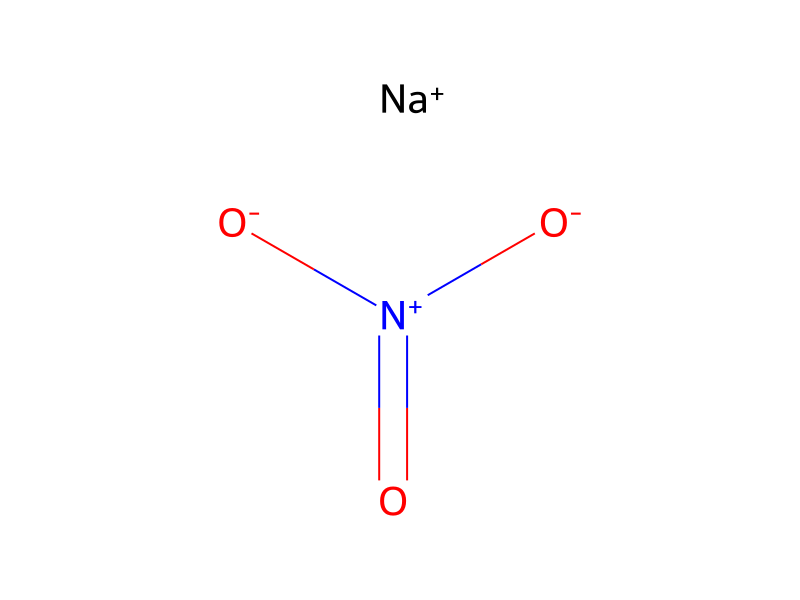
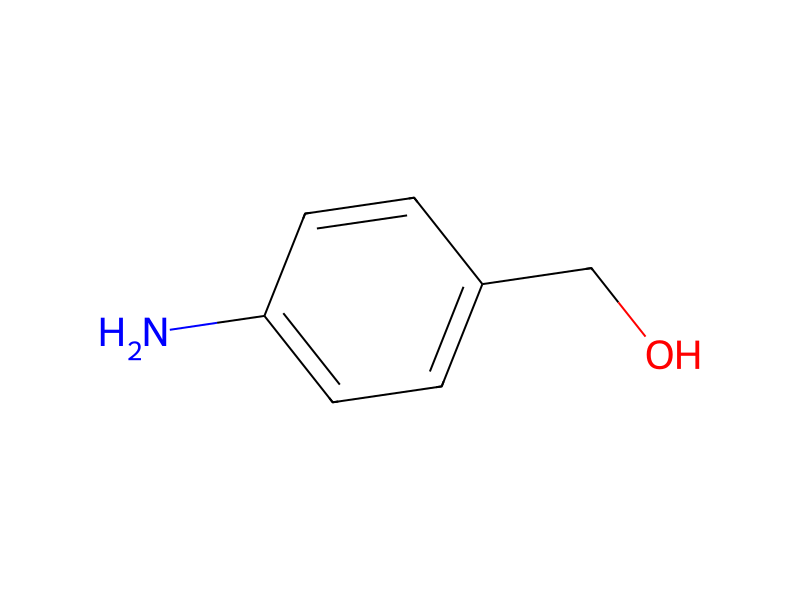
[N:1]([C:4]1[CH:19]=[CH:18][C:7]([CH2:8]P(=C(C[N+](C)(C)C)O)=O)=[CH:6][CH:5]=1)=[N+:2]=[N-:3].NC1C=CC(C[OH:26])=CC=1.Cl.[N+]([O-])([O-])=O.[Na+].[N-]=[N+]=[N-].[Na+]>>[N:1]([C:4]1[CH:19]=[CH:18][C:7]([CH2:8][OH:26])=[CH:6][CH:5]=1)=[N+:2]=[N-:3]Participants
6




Procedure
For example, 4-azidobenzylphosphorylcholine was made as follows: 4-aminobenzyl alcohol was treated with HCl and reacted with sodium nitrate, followed by sodium azide to yield 4-azidobenzyl alcohol. The product was recovered in 55% yield as a brown solid and purified by column chromatography. The product was characterized by NMR and IR. 4-azidobenzyl alcohol was treated with triethylamine, and 2-chloro-2-oxo-1,3,2-dioxaphospholane (COP) was added to the solution. The resulting compound was reacted with trimethylamine to yield the final product of 4-azidobenzylphosphorylcholine. The final product was obtained as a pale brown powder in 60% yield and characterized by NMR and IR.
Sources & evidence
- ORD record
- ord-ae3c66eb7d444598b864460096b3b863
- Source dataset
- uspto-grants-2014_08
- Patent number
- US08802738B2
Reaction notes
Loading…