Triphenylphosphine → HCID 46184032, compound
Reaction equation

[Cl:1][C:2]1[CH:13]=[CH:12][C:5]2[O:6][CH:7]([CH2:10]O)[CH2:8][O:9][C:4]=2[CH:3]=1.C1C=CC(P(C2C=CC=CC=2)C2C=CC=CC=2)=CC=1.[C:33]([O:37][C:38]([NH:40][S:41]([NH2:44])(=[O:43])=[O:42])=[O:39])([CH3:36])([CH3:35])[CH3:34].N(C(OC(C)C)=O)=NC(OC(C)C)=O>C(OCC)(=O)C.C(OCC)(=O)C.CCCCCCC>[Cl:1][C:2]1[CH:13]=[CH:12][C:5]2[O:6][C@@H:7]([CH2:10][N:40]([C:38]([O:37][C:33]([CH3:36])([CH3:35])[CH3:34])=[O:39])[S:41]([NH2:44])(=[O:43])=[O:42])[CH2:8][O:9][C:4]=2[CH:3]=1Participants
7
Reactant 4




Product 1

Reagents, catalysts & solvents 2

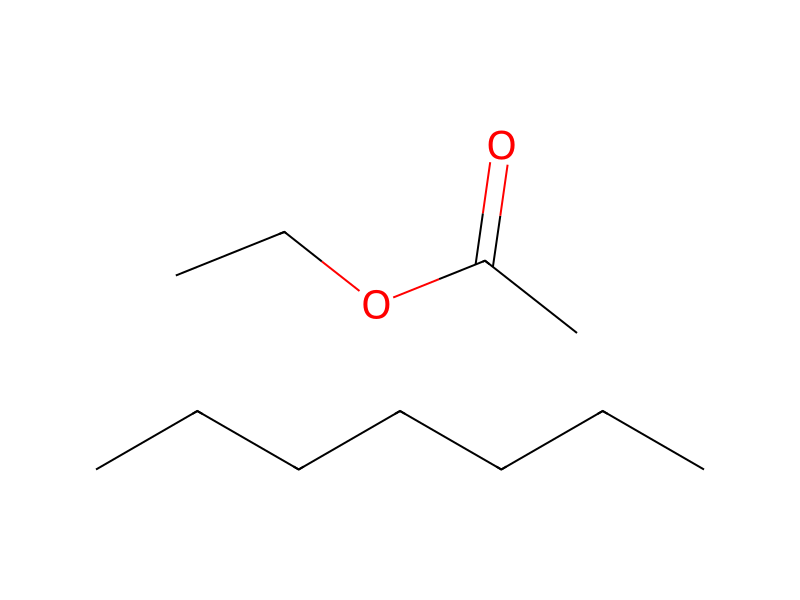
Procedure
To (6-chloro-2,3-dihydrobenzo[1,4]dioxin-2-yl)methanol (9.5 mg, 0.042 mmol), PPh3 (17 mg, 0.066 mmol) and N-(t-butoxycarbonyl)sulfamide (16 mg, 0.083 mmol) in Ethyl acetate (0.5 mL) was added diisopropyl azodicarboxylate (DIAD, 0.013 mL, 0.066 mmol) dropwise. The resulting mixture was stirred at room temperature for 2 h (monitored with TLC 40% ethyl acetate-heptane and LC-MS) and then concentrated to a residue. The residue loaded onto a 12 g ISCO silica column in CH2Cl2 and eluted with 0-30% ethyl acetate/heptane to yield the title compound as a gum, which was used in the next step without further purification.
Workup
- concentrationconcentrated to a residue
- washeluted with 0-30% ethyl acetate/heptane
Sources & evidence
- ORD record
- ord-f0db1364c9f74e339037b5919ec507dc
- Source dataset
- uspto-grants-2014_08
- Patent number
- US08809554B2
Reaction notes
Loading…