Hydrochloric Acid → HCID 66990671, compound
Reaction equation

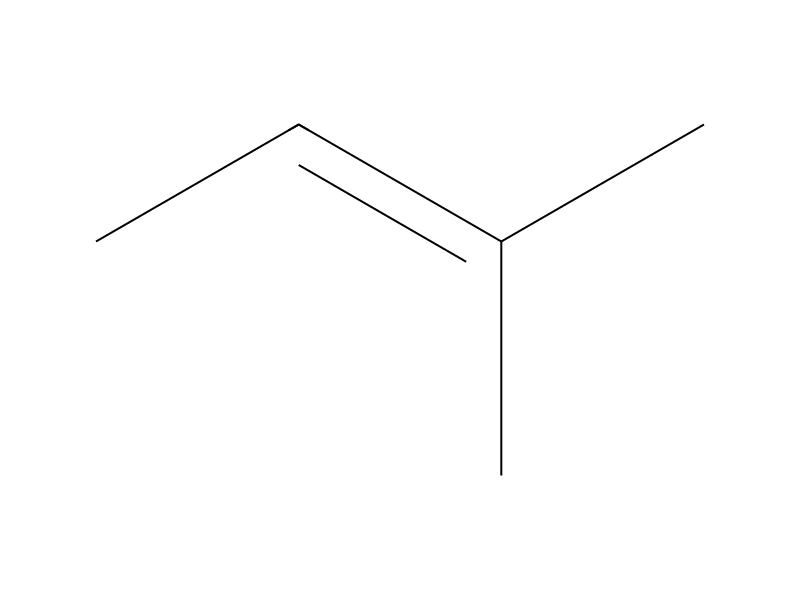
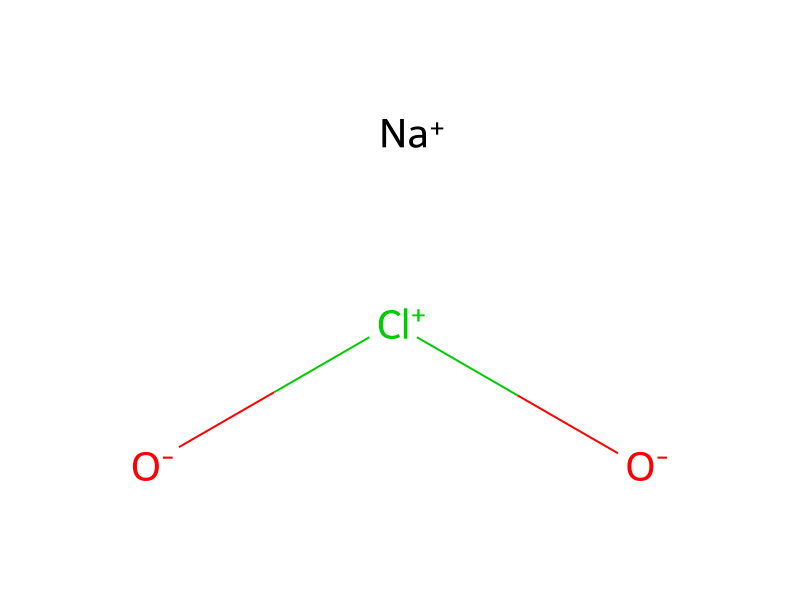
[CH2:1]([O:3][C:4]1[N:9]=[C:8]([CH:10]=[O:11])[C:7]([N+:12]([O-:14])=[O:13])=[CH:6][CH:5]=1)[CH3:2].CC(=CC)C.Cl([O-])=[O:21].[Na+].O.OP([O-])(O)=O.[Na+].Cl>O1CCOCC1.O1CCCC1.O.C(OCC)(=O)C>[CH2:1]([O:3][C:4]1[N:9]=[C:8]([C:10]([OH:21])=[O:11])[C:7]([N+:12]([O-:14])=[O:13])=[CH:6][CH:5]=1)[CH3:2]Participants
Reactant 5



Product 1

Reagents, catalysts & solvents 4




Procedure
To a stirred solution of the compound prepared in Example 423 (1.66 g) in dioxane (40 mL) at room temperature was added 2-methyl-2-butene (2.0 mol/L; 25.811 mL) in tetrahydrofuran. To the resulting stirred solution was added a solution of sodium chlorite (4.2095 g) and sodium phosphate monobasic monohydrate (4.2039 g) in water (28 mL). The resulting two-phase mixture was vigorously stirred at room temperature. The color of the reaction mixture lightened considerably over the first 30 minutes. After 18 hours, the reaction mixture was diluted with ethyl acetate (50 mL) and transferred to a separatory funnel. The aqueous layer was acidified with concentrated hydrochloric acid to about pH 1.5, and the resulting mixture was extracted with ethyl acetate. The organic layer was dried, evaporated and dried further under high vacuo to provide the title compound (2.2 g) as a pale orange oil with the following physical data.
Workup
- stirringThe resulting two-phase mixture was vigorously stirred at room temperature
- customlightened considerably over the first 30 minutes
- customtransferred to a separatory funnel
- extractionthe resulting mixture was extracted with ethyl acetate
- customThe organic layer was dried
- customevaporated
- customdried further under high vacuo
Sources & evidence
- ORD record
- ord-2b6942d697ed480697a0cdb3402b41b3
- Source dataset
- uspto-grants-2014_08
- Patent number
- US08809538B2
Reaction notes
Loading…