Tetrahydrofuran → HCID 68872252, compound
Reaction equation

Cl[S:2]([C:5]1[CH:6]=[C:7]([N+:11]([O-:13])=[O:12])[CH:8]=[CH:9][CH:10]=1)(=[O:4])=[O:3].C([N:17]([CH:20]([CH3:22])C)[CH2:18][CH3:19])(C)C.C[N:24]1CCC(N)CC1.O1[CH2:35][CH2:34]CC1>>[CH3:34][CH:35]1[CH2:19][CH2:18][N:17]([NH:24][S:2]([C:5]2[CH:6]=[C:7]([N+:11]([O-:13])=[O:12])[CH:8]=[CH:9][CH:10]=2)(=[O:4])=[O:3])[CH2:20][CH2:22]1Participants




Procedure
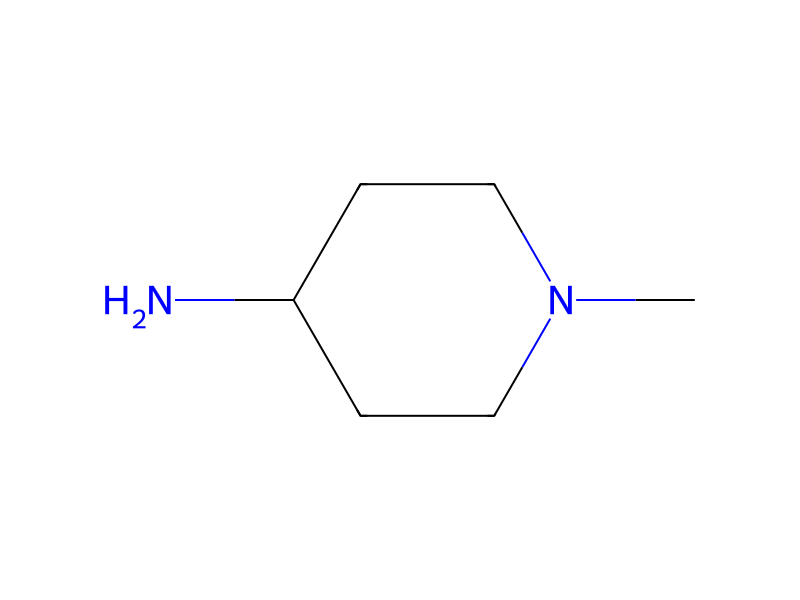
To a solution of 3-chlorosulfonylnitrobenzene (45) (2.21 g, 10 mmol) in tetrahydrofuran (100 mL) at 0° C. were added diisopropylethyl amine (1.93 mL, 15 mmol) followed by N-methyl-4-aminopiperidine (46) (1.36 g, 12 mmol) and then the reaction mixture was stirred at room temperature for 2 hours. The reaction was quenched with water (50 mL), stirred for 30 minutes and the tetrahydrofuran layer was separated. The organic solution was concentrated under reduced pressure. The resulting residue was taken in dichloromethane (200 mL), washed with aqueous solution of sodium bicarbonate (2×100 mL) and then brine. The organic layer was dried over anhydrous sodium sulfate and solvent was removed under reduced pressure to afford the desired product, 3-(N-4-methylpiperidin-1-yl)aminosulfonylnitrobenzene (47). LCMS: purity: 93%; MS (m/e): 300 (MH+).
Workup
- customThe reaction was quenched with water (50 mL)
- stirringstirred for 30 minutes
- customthe tetrahydrofuran layer was separated
- concentrationThe organic solution was concentrated under reduced pressure
- washwashed with aqueous solution of sodium bicarbonate (2×100 mL)
- dry with materialThe organic layer was dried over anhydrous sodium sulfate and solvent
- customwas removed under reduced pressure
Sources & evidence
- ORD record
- ord-15b608f9716d42f18236a438406dc648
- Source dataset
- uspto-grants-2014_08
- Patent number
- US08815848B2
Reaction notes
Loading…