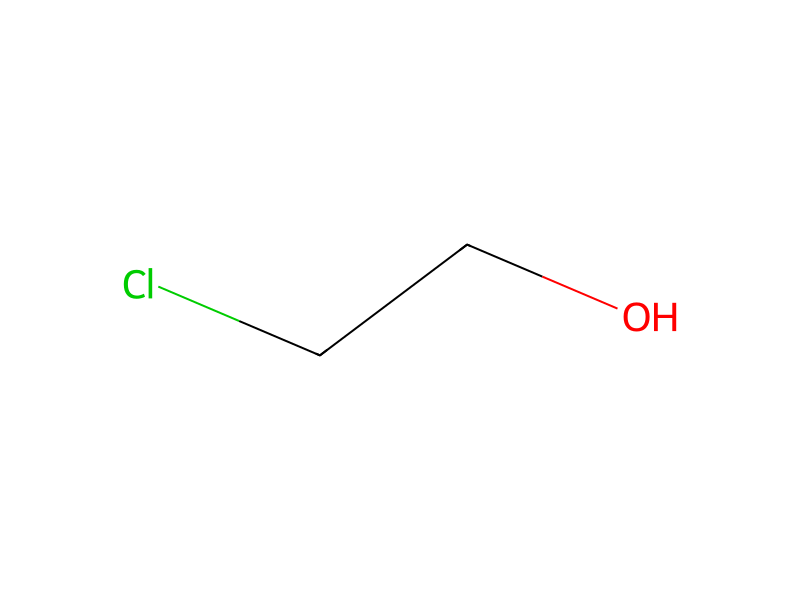
2-Chloroethanol → HCID 44231692, compound
Reaction equation

[C:1]([OH:6])(=[O:5])[C:2]([CH3:4])=[O:3].[Cl:7][CH2:8][CH2:9]O.O.C1(C)C=CC(S(O)(=O)=O)=CC=1>C1C=CC=CC=1.C(OCC)C>[C:1]([O:6][CH2:9][CH2:8][Cl:7])(=[O:5])[C:2]([CH3:4])=[O:3]Participants
Reactant 3
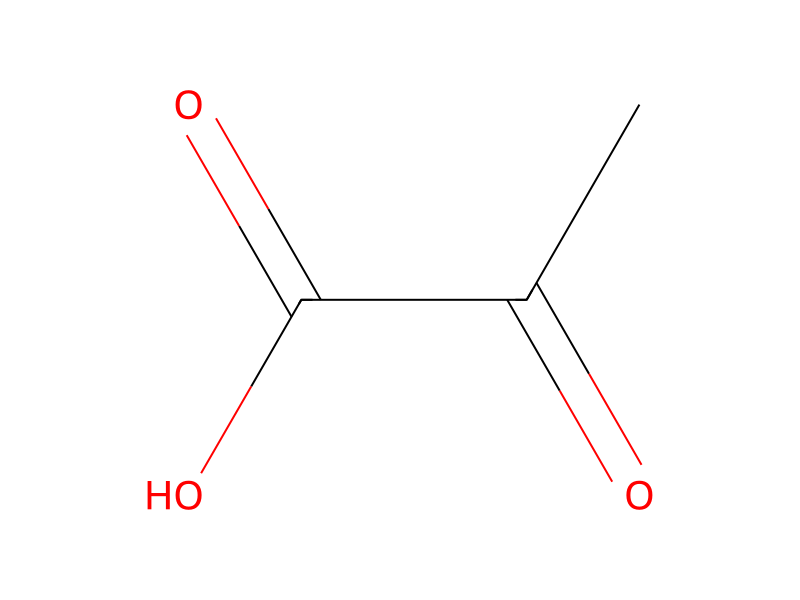

Product 1

Reagents, catalysts & solvents 2


Procedure
2-Chloroethyl pyruvate was prepared as follows: pyruvic acid (8.8 g, 100 mmol), 2-chloroethanol (10.45 g, 130 mmol) and p-toluenesulfonic acid monohydrate (1.9 g, 10 mmol) in 40 mL of benzene were heated under reflux with azeotropic dehydration for 5 h. The mixture was cooled to room temperature and diluted with 70 mL of diethyl ether. This organic solution was washed with 100 mL of saturated aqueous NaHCO3 and 100 mL of saturated aqueous NaCl. The organic layer was dried over anhydrous MgSO4, filtered and solvent removed on a rotary evaporator to give 2-chloroethyl pyruvate in quantitative yield, slightly contaminated with benzene and diethyl ether (as determined by 1H NMR). Aliquots used for biological analyses were cleared of diethyl ether and benzene by short path vacuum distillation.
Workup
- custom2-Chloroethyl pyruvate was prepared
- temperatureunder reflux with azeotropic dehydration for 5 h
- washThis organic solution was washed with 100 mL of saturated aqueous NaHCO3 and 100 mL of saturated aqueous NaCl
- dry with materialThe organic layer was dried over anhydrous MgSO4
- filtrationfiltered
- customsolvent removed on a rotary evaporator
Sources & evidence
- ORD record
- ord-33aefec46b94476db85774c3d1968365
- Source dataset
- uspto-grants-2014_08
- Patent number
- US08815946B2
Reaction notes
Loading…