Hydrochloric Acid → HCID 20155177, compound
Reaction equation

[NH:1]1[C:5]2([CH2:10][CH2:9][CH2:8][CH2:7][CH2:6]2)[CH2:4][CH2:3][C:2]1=[O:11].Cl.NC1(CCC(O)=O)CCCCC1.[P:25]([OH:28])([OH:27])[OH:26].P(Cl)(Cl)Cl>O>[NH2:1][C:5]1([CH2:4][CH2:3][C:2]([OH:11])([P:25]([OH:28])(=[O:26])[OH:27])[P:25]([OH:28])(=[O:27])[OH:26])[CH2:10][CH2:9][CH2:8][CH2:7][CH2:6]1Participants

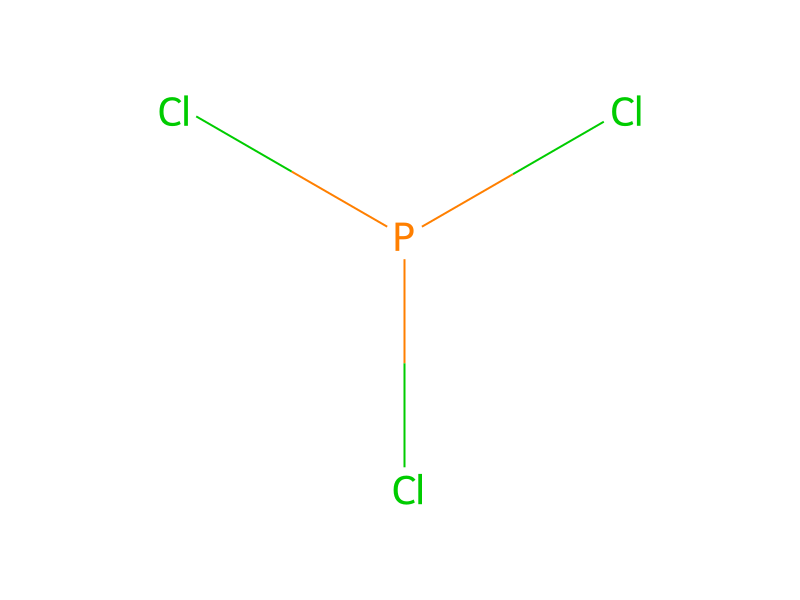
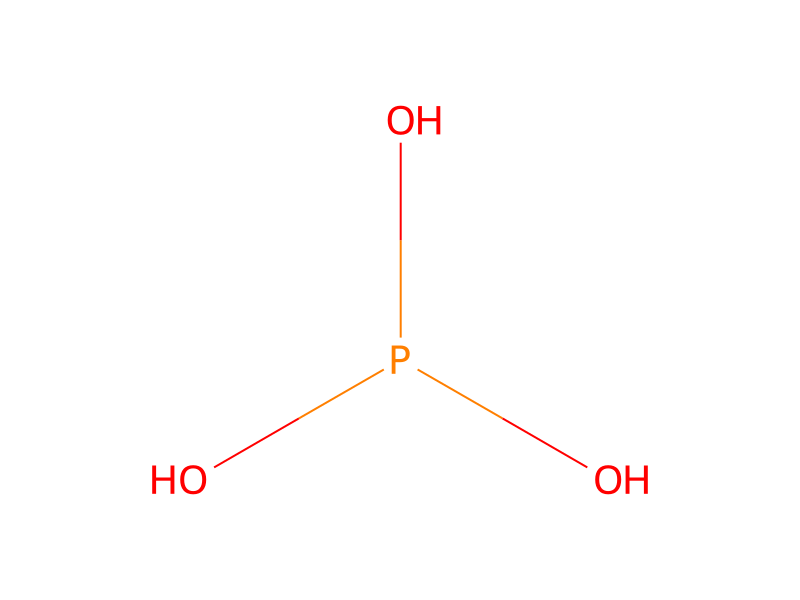



Conditions
- Temperature
- 80 °C
Procedure
19.1 g. 1-Aza-spiro(4,5)decan-2-one (prepared as described in J. Org. Chem., 22, 832) are boiled for 90 hours in 190 ml. concentrated hydrochloric acid. After cooling, the reaction mixture is filtered and evaporated and the residue is reprecipitated with methanol/diethyl ether. There are obtained 17.5 g. (68% of theory) of the hydrochloride of 3-(1-aminocyclohexyl)-propionic acid; m.p. 183° C. sinters; 188°-192° C. melts with decomposition. 7 g. thereof are mixed with 5.5 g. phosphorous acid and, after melting at 80° C., mixed dropwise with 5.9 ml. phosphorus trichloride. After stirring for 8 hours at 80° C., 43 ml. 6N hydrochloric acid are added thereto, the temperature is increased to 100° C. and stirring continued for a further 8 hours. The yellowish suspension is then filtered hot, the filtrate is evaporated and the residue, a colourless oil, is stirred into 2 liters of acetone. The precipitate obtained is filtered off with suction and washed with acetone and diethyl ether. There are obtained 4.6 g. (43% of theory) of product which are dissolved in a little water. Purification takes place by fractionation on an Amberlite IR-120 column (H+ form). The individual fractions are tested electrophoretically for purity. After combining the pure fractions, the aqueous solution is again evaporated and again precipitated with acetone. There are obtained 2.9 g. (27% of theory) of white crystals; m.p. 143° C. sinters, 155°-158° C. foaming up; Mrel =0.29.
Workup
- temperatureAfter cooling
- filtrationthe reaction mixture is filtered
- customevaporated
- customthe residue is reprecipitated with methanol/diethyl ether
- customThere are obtained 17.5 g
- custom188°-192° C.
- additionthereof are mixed with 5.5 g
- temperaturethe temperature is increased to 100° C.
- stirringstirring
- waitcontinued for a further 8 hours
- filtrationThe yellowish suspension is then filtered hot
- customthe filtrate is evaporated
- stirringthe residue, a colourless oil, is stirred into 2 liters of acetone
- customThe precipitate obtained
- filtrationis filtered off with suction
- washwashed with acetone and diethyl ether
- customThere are obtained 4.6 g
- customPurification
- customthe aqueous solution is again evaporated
- customagain precipitated with acetone
- customThere are obtained 2.9 g
- customm.p. 143° C. sinters, 155°-158° C.
Sources & evidence
- ORD record
- ord-8dfc7888e4c6429d8b3164574728fd35
- Source dataset
- uspto-grants-1988_01
- Patent number
- US04719203
Reaction notes
Loading…