Triethylamine → 2-chloro-N,N-dimethylquinoline-4-carboxamide
Reaction equation

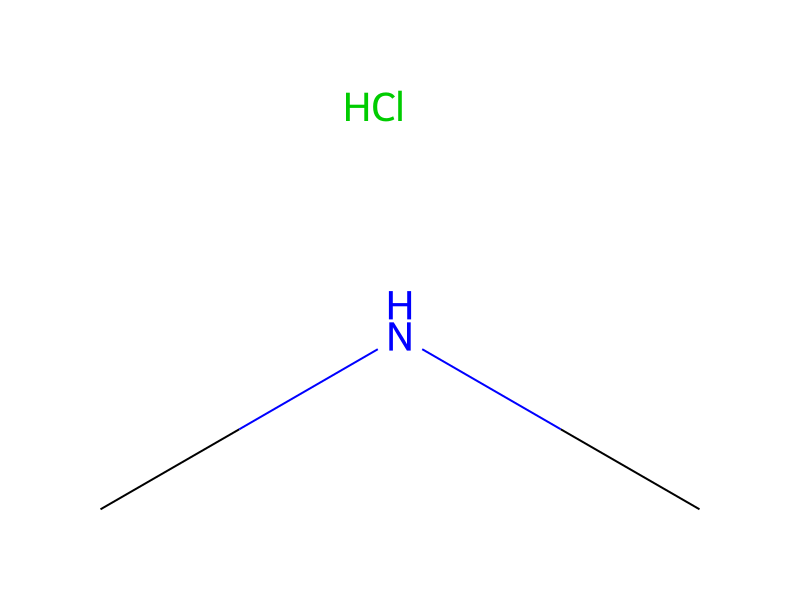
[Cl:1][C:2]1[CH:11]=[C:10]([C:12](Cl)=[O:13])[C:9]2[C:4](=[CH:5][CH:6]=[CH:7][CH:8]=2)[N:3]=1.[CH2:15]([N:17](CC)[CH2:18]C)C.Cl.CNC>C(Cl)(Cl)Cl>[CH3:15][N:17]([CH3:18])[C:12]([C:10]1[C:9]2[C:4](=[CH:5][CH:6]=[CH:7][CH:8]=2)[N:3]=[C:2]([Cl:1])[CH:11]=1)=[O:13]Participants
5
Reactant 3


Product 1

Reagents, catalysts & solvents 1

Procedure
A solution of the resultant 2-chloroquinoline-4-carbonyl chloride in chloroform (50 ml) was treated with triethylamine (4.4 ml, 31.5 mmol), followed by solid dimethylamine hydrochloride (1.28 g, 15.7 mmol). The reaction stirred for one hour at ambient temperature at which time it was washed with 10% aqueous sodium hydroxide and 15% aqueous citric acid. Drying over anhydrous sodium sulfate, followed by evaporation under reduced pressure gave 2-chloroquinoline-4-carboxylic acid dimethylamide (1.5 g, 40%) as a tan solid. [M+H]+ 235.
Workup
- washwas washed with 10% aqueous sodium hydroxide and 15% aqueous citric acid
- dry with materialDrying over anhydrous sodium sulfate
- customfollowed by evaporation under reduced pressure
Sources & evidence
- ORD record
- ord-5cf059266b9d45e5887c510f88d9c13c
- Source dataset
- uspto-grants-2004_11
- Patent number
- US06818655B2
Reaction notes
Loading…