Acetic Acid → Apigeninidin
Reaction equation

C([O:4][C:5]1[CH:28]=[CH:27][C:8]([CH:9]2[CH2:18][CH2:17][C:16]3[C:11](=[CH:12][C:13]([O:23]C(=O)C)=[CH:14][C:15]=3[O:19]C(=O)C)[O:10]2)=[CH:7][CH:6]=1)(=O)C.C1(Cl)C(=O)C([Cl:37])=C(Cl)C(=O)C=1Cl.C(O)(=O)C.C=CN1C(=O)CCC1>Cl.CO.O>[CH:27]1[C:8]([C:9]2[CH:18]=[CH:17][C:16]3[C:11](=[CH:12][C:13]([OH:23])=[CH:14][C:15]=3[OH:19])[O+:10]=2)=[CH:7][CH:6]=[C:5]([OH:4])[CH:28]=1.[Cl-:37]Participants

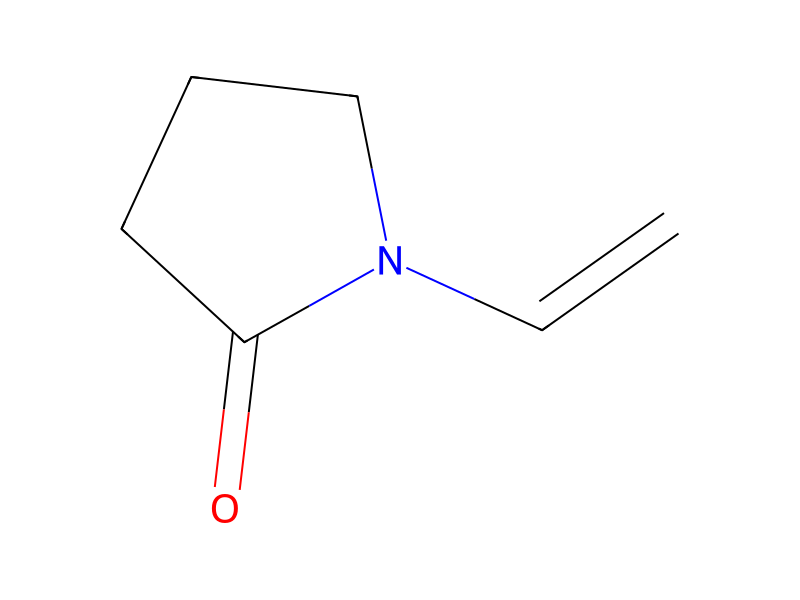





Procedure
A mixture of 500 mg 4', 5,7-triacetoxyflavan, 750 mg chloranil, 25 ml acetic acid, 5 ml H2O and 1.5 ml 6 N HCl was heated with stirring at 100° for 1 hour. After cooling in ice, the solution was diluted to 250 ml with 0.01 N HCl in MeOH and passed through a 4.5 × 10 cm column of acid-treated POLYCAR AT[1] (slurry packed) (POLYCLAR AT is a trademark for polyvinylpyrollidine sold by G.A.F.). The column was washed with a second 250 ml of 0.01 N HCl in methanol and the combined eluants concentrated on a rotary evaporator to 25 ml. This solution was then freeze dried to give a red-orange solid. After washing twice with 10 ml ethyl acetate to remove unreacted chloranil, there was obtained 144 mg (36% yield) of crude apigeninidin chloride (E1% (476 nm) = 840). A sample of purified material recrystallized from EtOH-4 N CHl had E1% (476 nm) = 1010 and was identical by IR (KBr) and TLC (cellulose) comparison with an authentic sample prepared by Robinson's procedure [2] ; the yield of purified material was 30%.
Workup
- temperaturewas heated
- temperatureAfter cooling in ice
- washThe column was washed with a second 250 ml of 0.01 N HCl in methanol
- concentrationthe combined eluants concentrated on a rotary evaporator to 25 ml
- customThis solution was then freeze dried
- customto give a red-orange solid
- washAfter washing twice with 10 ml ethyl acetate
- customto remove unreacted chloranil
Sources & evidence
- ORD record
- ord-142cfc0579b542c0aa174e4f0801e2a1
- Source dataset
- uspto-grants-1978_08
- Patent number
- US04105675
Reaction notes
Loading…