Acetic Acid → HCID 20313165, compound
Reaction equation

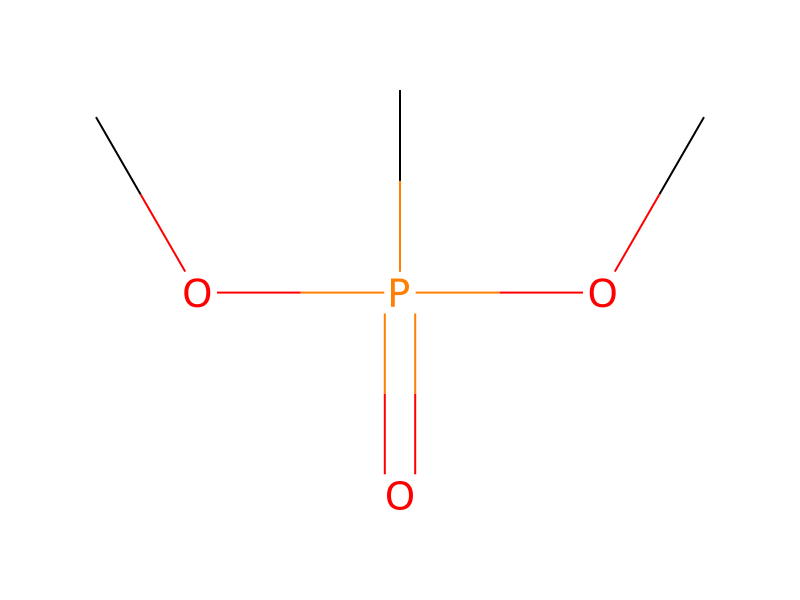
C([Li])CCC.[CH3:6][P:7](=[O:12])([O:10][CH3:11])[O:8][CH3:9].[C:13]1([CH:19]2[CH2:22][CH:21]([C:23](OC)=[O:24])[CH2:20]2)[CH:18]=[CH:17][CH:16]=[CH:15][CH:14]=1.C(O)(=O)C>CCCCCC.O1CCCC1>[O:24]=[C:23]([CH:21]1[CH2:22][CH:19]([C:13]2[CH:18]=[CH:17][CH:16]=[CH:15][CH:14]=2)[CH2:20]1)[CH2:6][P:7](=[O:12])([O:10][CH3:11])[O:8][CH3:9]Participants






Conditions
- Temperature
- -78 °C
Procedure
n-Butyl-lithium (16.0ml. of a 1.43M solution in hexane) was added dropwise to a stirred solution of dimethyl methylphosphonate (2.86g.) in dry tetrahydrofuran (25ml.) at -78° C. in an atmosphere of argon. After 10 minutes, a solution of the methyl 3-phenylcyclobutanecarboxylate mixture (2.18g.) in dry tetrahydrofuran (25ml.) was added, and stirred at -78° C. for 2 hours. The reaction mixture was then neutralised by the addition of glacial acetic acid, warmed to room temperature and the tetrahydrofuran was evaporated under reduced pressure. The residue was partitioned between ethyl acetate and water. The ethyl acetate extract was dried over magnesium sulphate and evaporated under reduced pressure, to give dimethyl 2-oxo-2-(3-phenylcyclobutyl)-ethylphosphonate, as a mixture of cis and trans isomers. The n.m.r. spectrum in deuteriochloroform showed the following characteristic features (δ values):
Workup
- temperaturewarmed to room temperature
- customthe tetrahydrofuran was evaporated under reduced pressure
- customThe residue was partitioned between ethyl acetate and water
- extractionThe ethyl acetate extract
- dry with materialwas dried over magnesium sulphate
- customevaporated under reduced pressure
Sources & evidence
- ORD record
- ord-26451b88ca9641ddb10da5d8d67fbee1
- Source dataset
- uspto-grants-1978_08
- Patent number
- US04109015
Reaction notes
Loading…