Hydrochloric Acid → 5-Ethyl-4-methyl-2-p-tolyloxazole 3-oxide
Reaction equation

[CH2:1]([C:3]([CH2:5][CH3:6])=[O:4])[CH3:2].[N:7](OCCC(C)C)=[O:8].Cl.[CH3:16][C:17]1[CH:24]=[CH:23][C:20]([CH:21]=O)=[CH:19][CH:18]=1>C(OCC)C.CC(=NO)C(=O)CC.C(O)(=O)C>[CH2:1]([C:3]1[O:4][C:21]([C:20]2[CH:23]=[CH:24][C:17]([CH3:16])=[CH:18][CH:19]=2)=[N+:7]([O-:8])[C:5]=1[CH3:6])[CH3:2]Participants
Reactant 4


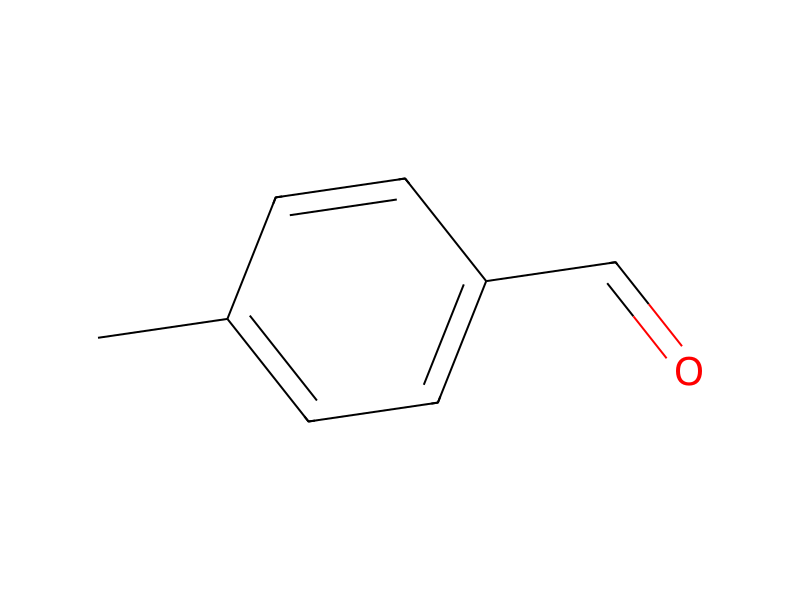
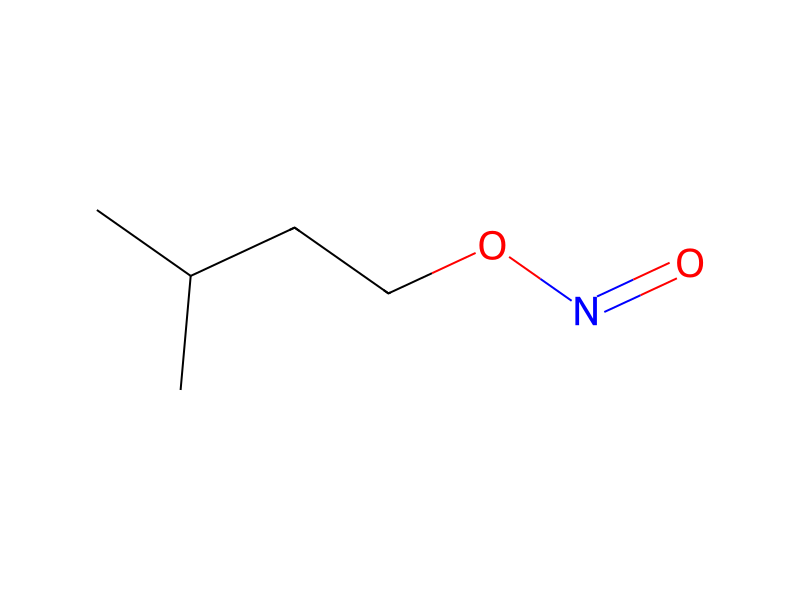
Product 1

Reagents, catalysts & solvents 3



Procedure
Diethyl ketone is reacted with isoamyl nitrite and HCl in diethyl ether, resulting in pentane-2,3-dione 2-oxime (G. Buechi, J. Galindo, J.Org.Chem. (1991) 56(8), 2605-2606). The latter is reacted with p-methylbenzaldehyde and HCl in acetic acid to give 5-ethyl-4-methyl-2-p-tolyloxazole 3-oxide (P. M. Weintraub, J. Med. Chem. (1972) 15(4), 419-420). Boiling this compound with phosphoryl chloride in chloroform results in 4-chloromethyl-5-ethyl-2-p-tolyloxazole (M. S. Malamas, R. P. Carlson, D. Grimes, R. Howell, K. Glaser, I. Gunawan, J. A. Nelson, M. Kanzelberger, U. Shah, D. A. Hartman, J. Med. Chem. (1996) 39(1), 237-245). This compound is heated with sodium iodide in acetone under reflux, resulting in 5-ethyl-4-iodomethyl-2-p-tolyloxazole (A., Zlatkov, P., Peikov, J., Rodriguez-Alvarez, N., Danchev, I., Nikolova, J., Mitkov, Eur.J.Med.Chem.Chim.Ther. (2000) 35(10), 941-948).
Sources & evidence
- ORD record
- ord-b8cc668f22d64606bc8c85e15c28bd86
- Source dataset
- uspto-grants-2011_06
- Patent number
- US07956077B2
Reaction notes
Loading…