Pyridine → HCID 23083140, compound
Reaction equation

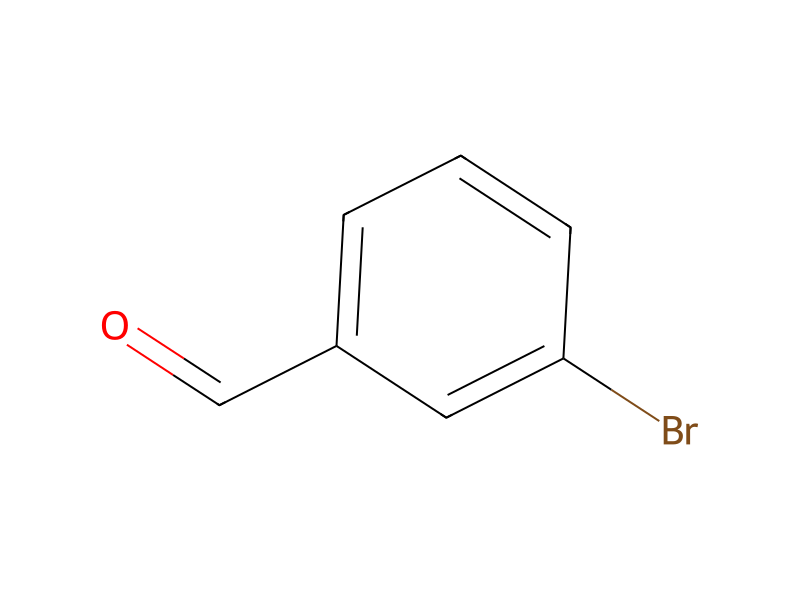
Br[C:2]1[CH:3]=[C:4]([CH:7]=[CH:8][CH:9]=1)[CH:5]=[O:6].[CH3:10][C:11]1[CH:16]=[CH:15][CH:14]=[C:13]([CH3:17])[C:12]=1[OH:18].C(=O)([O-])[O-].[K+].[K+].N1C=CC=CC=1>[Cu]=O.C1(C)C=CC=C(C)C=1>[CH3:10][C:11]1[CH:16]=[CH:15][CH:14]=[C:13]([CH3:17])[C:12]=1[O:18][C:2]1[CH:3]=[C:4]([CH:7]=[CH:8][CH:9]=1)[CH:5]=[O:6]Participants
7
Reactant 4



Product 1

Reagents, catalysts & solvents 2


Conditions
- Temperature
- 140 °C
Procedure
A mixture of 3-bromobenzaldehyde (6.1 g, 32.7 mmol), 2,6-dimethylphenol (4.0 g, 32.7 mmol), copper oxide (II) (4.4 g, 55.6 mmol), potassium carbonate (9.0 g, 65.4 mmol), pyridine (40 mL) and m-xylene (20 mL) was stirred under a nitrogen atmosphere at 140° C. for 16 hrs. The reaction mixture was cooled, the insoluble material was filtered off, and the filtrate was concentrated under reduced pressure. The residue was partitioned between ethyl acetate and water. The organic layer was washed with saturated brine, dried (anhydrous sodium sulfate), and concentrated under reduced pressure to give crude 3-(2,6-dimethylphenoxy)benzaldehyde (including side product).
Workup
- temperatureThe reaction mixture was cooled
- filtrationthe insoluble material was filtered off
- concentrationthe filtrate was concentrated under reduced pressure
- customThe residue was partitioned between ethyl acetate and water
- washThe organic layer was washed with saturated brine
- dry with materialdried (anhydrous sodium sulfate)
- concentrationconcentrated under reduced pressure
Sources & evidence
- ORD record
- ord-80f1c7c3e8ed4f9f8ca8050e93d2327d
- Source dataset
- uspto-grants-2011_06
- Patent number
- US07960369B2
Reaction notes
Loading…