Boron trifluoride → HCID 136389335, compound
Reaction equation

C[O:2][C:3]1[CH:8]=[CH:7][C:6]([C:9]2[N:18]([CH3:19])[C:17](=[O:20])[C:16]3[C:11](=[C:12]([CH3:21])[CH:13]=[CH:14][CH:15]=3)[N:10]=2)=[CH:5][CH:4]=1.B(F)(F)F.[OH-].[Na+]>ClCCl.C(OCC)(=O)C>[OH:2][C:3]1[CH:4]=[CH:5][C:6]([C:9]2[N:18]([CH3:19])[C:17](=[O:20])[C:16]3[C:11](=[C:12]([CH3:21])[CH:13]=[CH:14][CH:15]=3)[N:10]=2)=[CH:7][CH:8]=1Participants
6
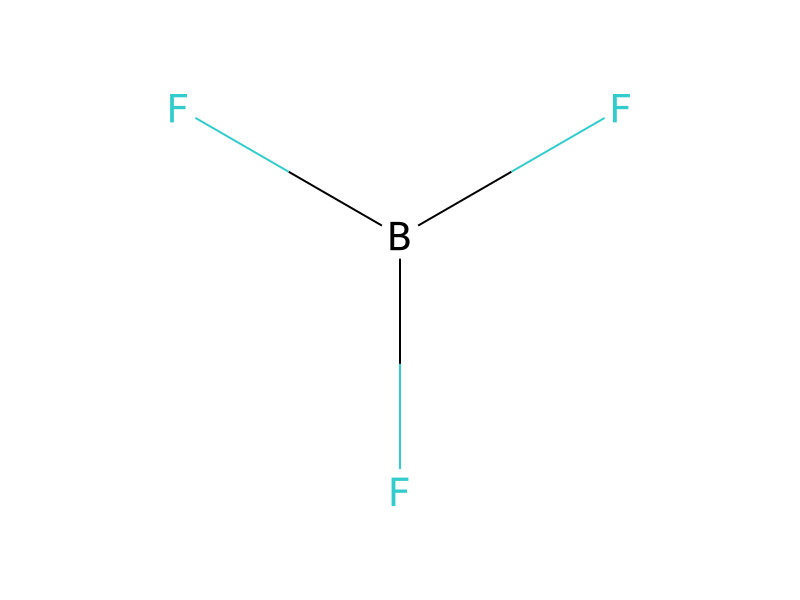





Conditions
- Temperature
- -78 °C
Procedure
2-(4-Methoxyphenyl)-3,8-dimethyl-4(3H)-quinazolinone (2.02 g, 7.20 mmol) was dissolved in dichloromethane (10 ml), stirred at −78° C., then boron trifluoride (1.0 M in CH2 Cl2, 21.6 ml) was added thereto, gradually heated up to room temperature, and stirred at that temperature for 12 hours. The reaction solution was diluted with ethyl acetate, and with cooling with ice, this was poured into aqueous 1 N sodium hydroxide solution, and extracted with ethyl acetate. The organic layer was washed with 1 N hydrochloric acid and saturated saline water, and dried with magnesium sulfate. The organic layer was concentrated under reduced pressure to obtain the intended compound (1.54 g, 80%) as a pale yellow solid.
Workup
- temperaturegradually heated up to room temperature
- stirringstirred at that temperature for 12 hours
- temperaturewith cooling with ice
- extractionextracted with ethyl acetate
- washThe organic layer was washed with 1 N hydrochloric acid and saturated saline water
- dry with materialdried with magnesium sulfate
- concentrationThe organic layer was concentrated under reduced pressure
Sources & evidence
- ORD record
- ord-9ee45a0b7a5840cf85aa0ff80a6626d5
- Source dataset
- uspto-grants-2011_06
- Patent number
- US07960394B2
Reaction notes
Loading…