Dichloromethane → 6-(tetrahydropyran-4-yl)-1H-indazole-3-carboxylic acid
Reaction equation

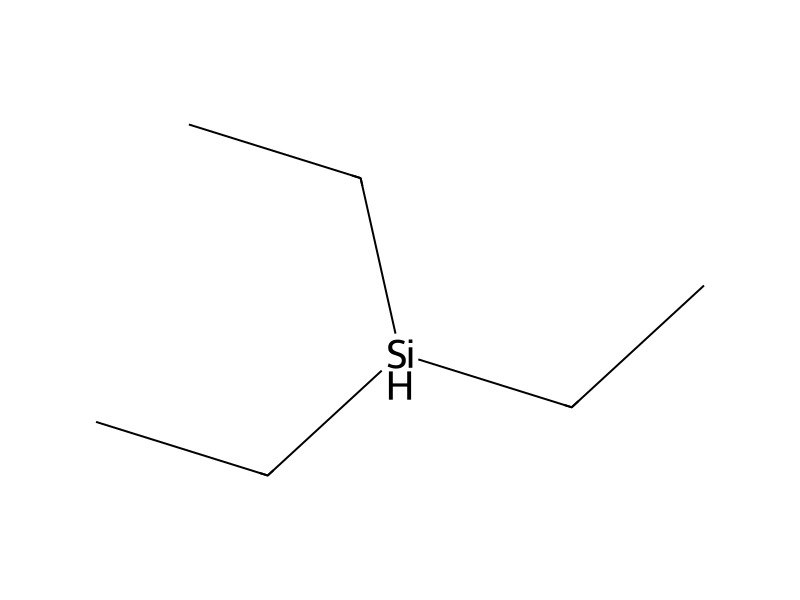
C([O:5][C:6]([C:8]1[C:16]2[C:11](=[CH:12][C:13]([C:17]3(O)[CH2:22][CH2:21][O:20][CH2:19][CH2:18]3)=[CH:14][CH:15]=2)[NH:10][N:9]=1)=[O:7])(C)(C)C.C([SiH](CC)CC)C.ClCCl>FC(F)(F)C(O)=O>[O:20]1[CH2:21][CH2:22][CH:17]([C:13]2[CH:12]=[C:11]3[C:16]([C:8]([C:6]([OH:7])=[O:5])=[N:9][NH:10]3)=[CH:15][CH:14]=2)[CH2:18][CH2:19]1Participants
5
Reactant 3


Product 1

Reagents, catalysts & solvents 1

Procedure
6-(4-Hydroxytetrahydropyran-4-yl)-1H-indazole-3-carboxylic acid tert-butyl ester (1.0 mmol) was dissolved in trifluoroacetic acid (5 mL), triethylsilane (2 mL), and dichloromethane (3 mL) and the mixture was refluxed for 16 h. The solvent was removed in vacuo and the residue was triturated with ethyl acetate to provide 6-(tetrahydropyran-4-yl)-1H-indazole-3-carboxylic acid (60%) as a tan solid. The acid was coupled with the bicyclobase according to procedure A.
Workup
- customThe solvent was removed in vacuo
- customthe residue was triturated with ethyl acetate
Sources & evidence
- ORD record
- ord-a822d3d67c0c4f9ebb90ee9294893a60
- Source dataset
- uspto-grants-2011_06
- Patent number
- US07964600B2
Reaction notes
Loading…