Formic Acid → Formaldehyde
Reaction equation

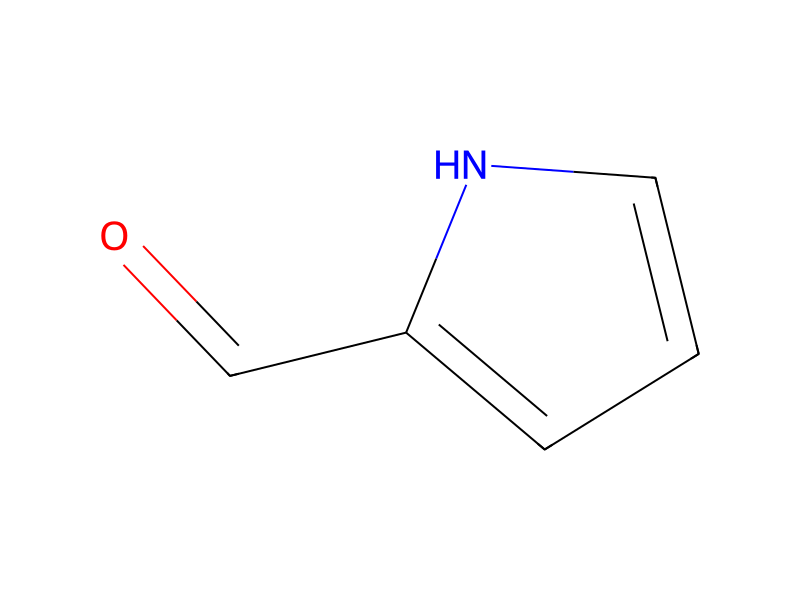
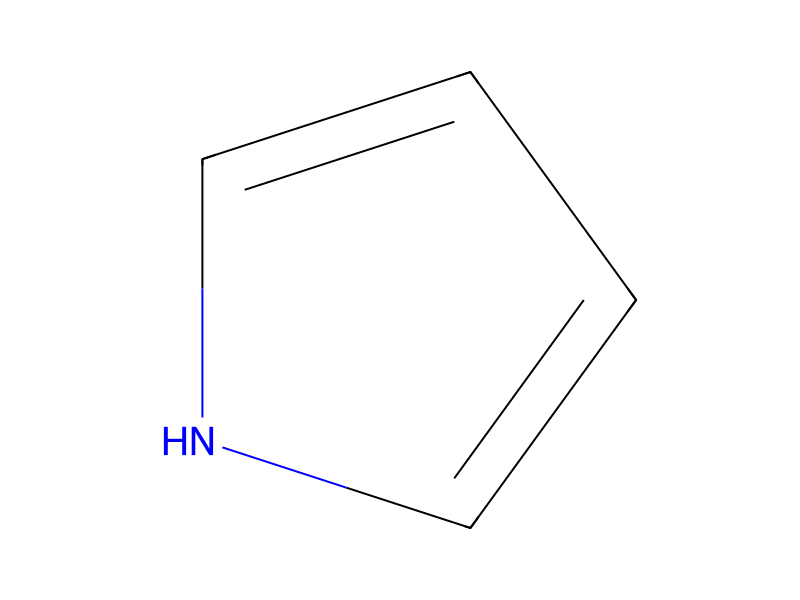
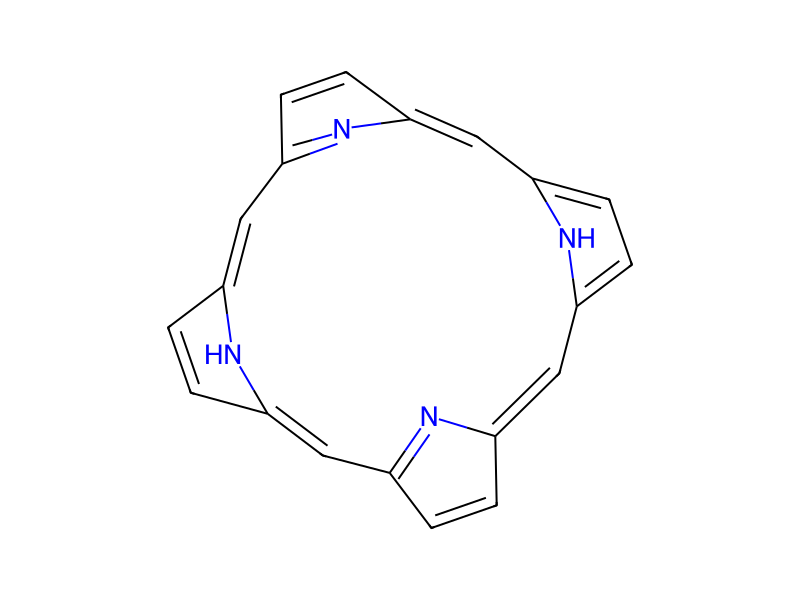
[NH:1]1[CH:5]=[CH:4][CH:3]=[C:2]1[CH:6]=O.[CH:8](O)=[O:9]>>[C:5]12[CH:6]=[C:2]3[N:1]=[C:5]([CH:4]=[CH:3]3)[CH:6]=[C:2]3[NH:1][C:5]([CH:4]=[CH:3]3)=[CH:6][C:2]3=[N:1][C:5]([CH:4]=[CH:3]3)=[CH:6][C:2]([NH:1]1)=[CH:3][CH:4]=2.[NH:1]1[CH:5]=[CH:4][CH:3]=[CH:2]1.[CH2:8]=[O:9]Participants
5


Procedure
The reported methods for the synthesis of porphine over the past 70 years are summarized in Table 1. Fischer and Gleim obtained 17 mg of porphine by prolonged heating of 20 g of pyrrole-2-carboxaldehyde in formic acid.6 In the same era, Rothemund obtained porphine from pyrrole and formaldehyde, albeit in very low yield (0.02%).7 The yield was increased to 0.9% by slow addition of pyrrole and formaldehyde to propionic acid.8
Sources & evidence
- ORD record
- ord-69185b5c60474313b77cd35c98cdd6f4
- Source dataset
- uspto-grants-2011_06
- Patent number
- US07964720B2
Reaction notes
Loading…