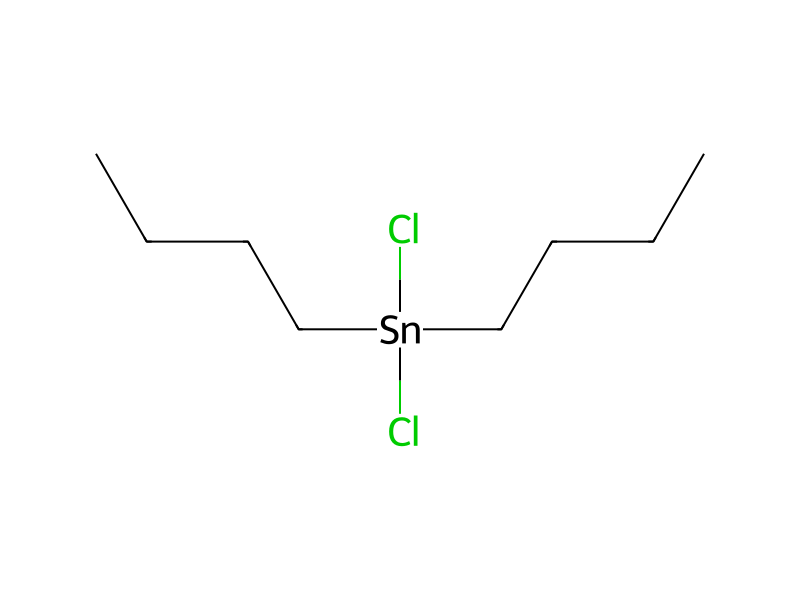
Dibutyltin dichloride → HCID 57795442, compound
Reaction equation

[CH3:1][O:2][C:3]([C:5]1[S:6][CH:7]=[CH:8][C:9]=1[NH2:10])=[O:4].[CH2:11]1[O:21][C:14]2([CH2:19][CH2:18][C:17](=O)[CH2:16][CH2:15]2)[O:13][CH2:12]1.C([Sn](Cl)(Cl)CCCC)CCC.C1([SiH3])C=CC=CC=1>C1COCC1>[CH3:1][O:2][C:3]([C:5]1[S:6][CH:7]=[CH:8][C:9]=1[NH:10][CH:17]1[CH2:18][CH2:19][C:14]2([O:21][CH2:11][CH2:12][O:13]2)[CH2:15][CH2:16]1)=[O:4]Participants
6



Procedure
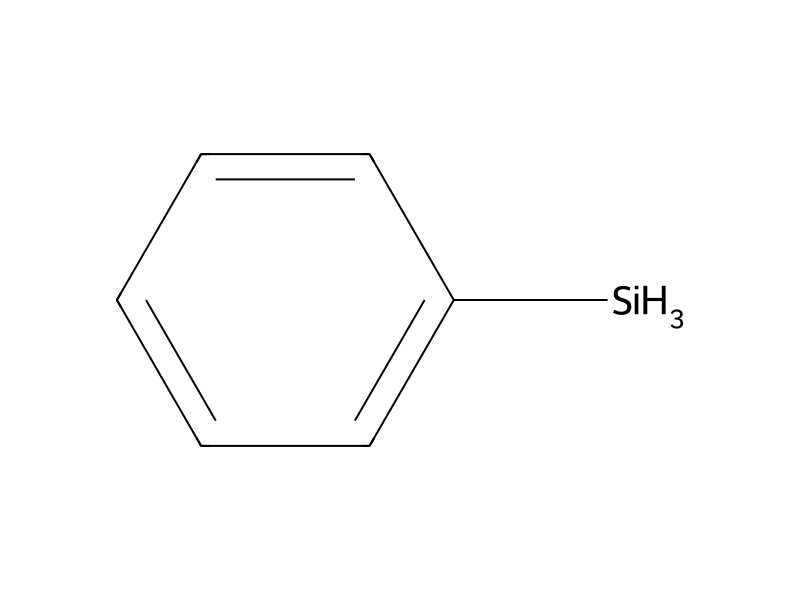
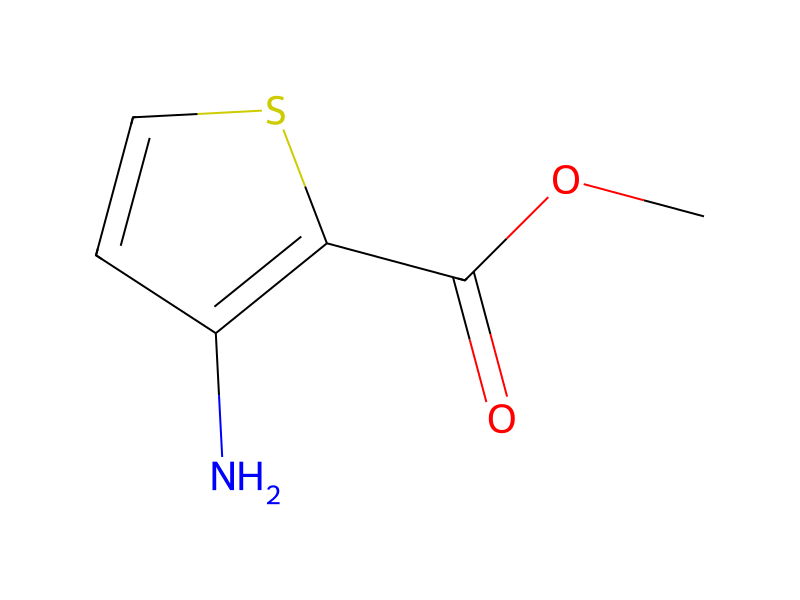
A suspension of 3-amino-thiophene-2-carboxylic acid methyl ester (5.0 g, 31.85 mmol) in dry THF (9 mL) is treated with 1,4-cyclohexanedione monoethylene ketal (5.0 g, 32.05 mmol), followed by dibutyltin dichloride (482 mg, 1.59 mmol). After 5 min, phenyl silane (4.3 mL, 34.96 mmol) is added and the reaction mixture is stirred overnight at room temperature. After concentration, the residue is dissolved in EtOAc and washed with NaHCO3 followed by brine. The organic layer is separated, dried (Na2SO4), filtered and concentrated. The residue is purified by column chromatography using 30% ethyl acetate in hexane as eluent to give 3-(1,4-dioxa-spiro[4.5]dec-8-ylamino)-thiophene-2-carboxylic acid methyl ester (4.5 g, 47% yield).
Workup
- concentrationAfter concentration
- dissolutionthe residue is dissolved in EtOAc
- washwashed with NaHCO3
- customThe organic layer is separated
- dry with materialdried (Na2SO4)
- filtrationfiltered
- concentrationconcentrated
- customThe residue is purified by column chromatography
Sources & evidence
- ORD record
- ord-d8b711c9f20e4a6fa5b69363a7512708
- Source dataset
- uspto-grants-2014_02
- Patent number
- US08658674B2
Reaction notes
Loading…